How the Federal Reserve System Is Organized
- Congress created the Federal Reserve (or “the Fed”) in 1913 as a response to financial crises caused by irresponsible banks and other institutions and to criticisms that banking functions primarily served the economic interests of the East Coast, thus failing to provide these services and loans to rural America.
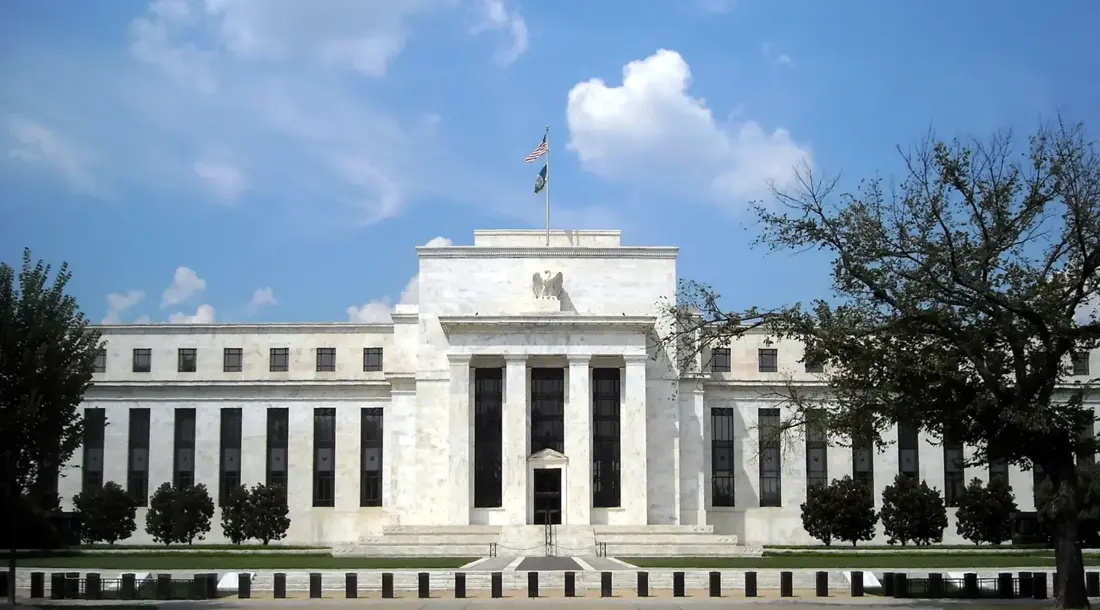
- The Fed is the nation’s central bank with three integrated parts: the Board of Governors, which is an agency of the U.S. government, is accountable to Congress and sits in Washington, DC; private banks throughout the country that join the Reserve System and are regulated by 12 Reserve Regional Banks in 12 major U.S. cities; and the Open Market Committee, which shapes monetary policy.
- The Fed does not receive appropriated funds. Rather, it generates its operating budget through earnings on securities it owns and fees it charges depository institutions for services it provides. Its budget is limited to about $6.8 billion annually. Earnings above that amount are transferred to the U.S. Treasury where they reduce the deficit.
- All members of the Board of Governors are nominated by the President of the United States and confirmed by the Senate. Each Regional Bank is separately incorporated with a nine-member board, six of which are chosen by member banks in that region and three by the Board of Governors.
The Fed’s Principal Functions
- The Federal Open Market Committee (FOMC), which dates from the 1930s, sets national monetary policy, principally by adjusting or setting interest rate targets and adjusting the level of assets in the Fed’s balance sheet.
- The FOMC moves the federal funds rate (the Fed’s principal tool for interest rate adjustments) up or down to tamper or stimulate economic activity.
- It also expands or contracts assets on its balance sheet to support the fiscal and economic policies of the federal government.
- The Board of Governors works with the Regional Reserve Bank to regulate and audit member banks (state-chartered institutions that belong to the Reserve System), thrifts, and non-bank financial institutions that pose systemic risk to the economy should they fail.
- The Regional Banks lend funds to member banks to assure continuity of banking services during periods of financial stress.
The Fed’s Role in the Economy
- Congress amended the Federal Reserve Act in 1977 to give the Fed what today is called the “dual mandate.” Congress authorized the Fed to use its monetary policy tools to achieve “maximum employment, stable prices, and moderate long-term interest rates.”
- The Fed interprets this dual mandate to mean that the U.S. economy should operate at or near a 3.5% unemployment rate (which most economists see as indicating full employment) and a 2% inflation rate (even though these targets can change). The Fed achieves these goals primarily through the monetary tools described above: changes to interest rates and its balance sheet.
- In addition, the Fed supports economic growth and the achievement of its dual mandate by supporting a healthy financial system. The Fed not only pursues this goal through its regulatory activities, but various Open Market Desk operations – principally at the New York Federal Reserve Bank – provide temporary liquidity to member banks through the Desk’s purchases of securities.
The Fed’s Expanded Regulatory Roles Under Dodd-Frank
- Congress enacted the Dodd-Frank Wall Street Reform and Consumer Protection Act in 2010 in response to the collapse of key parts of the U.S. financial system during the Great Recession (December 2007 through July 2009). The Federal Reserve System acquired significant new regulatory powers through Dodd-Frank.
- The Board of Governors received new and expanded powers to provide liquidity to the banking system generally and to specific banks should the financial system or individual banks be sufficiently stressed that their collapse would endanger the health of the economy. The Fed now can buy practically any financial asset with the backing of the Treasury Department and use those assets to save troubled financial institutions. This vast expansion of Fed powers created substantial moral hazard in the financial world, since it assures important banks of survival regardless of their management decisions.
- In particular, Dodd-Frank gave the Fed direct responsibility for supervising those large financial institutions that could pose a systemic risk to the economy should they fall into financial trouble. The Fed instituted “stress tests” for these large banks and new rules for managing bank balance sheet items, particularly the exposure to bank solvency from making risky loans or acquiring risky assets.
- The Fed also took partial responsibility for the nation’s savings and loan and credit associations, following the provision in Dodd-Frank that eliminated the Office of Thrift Supervision.