Testimony
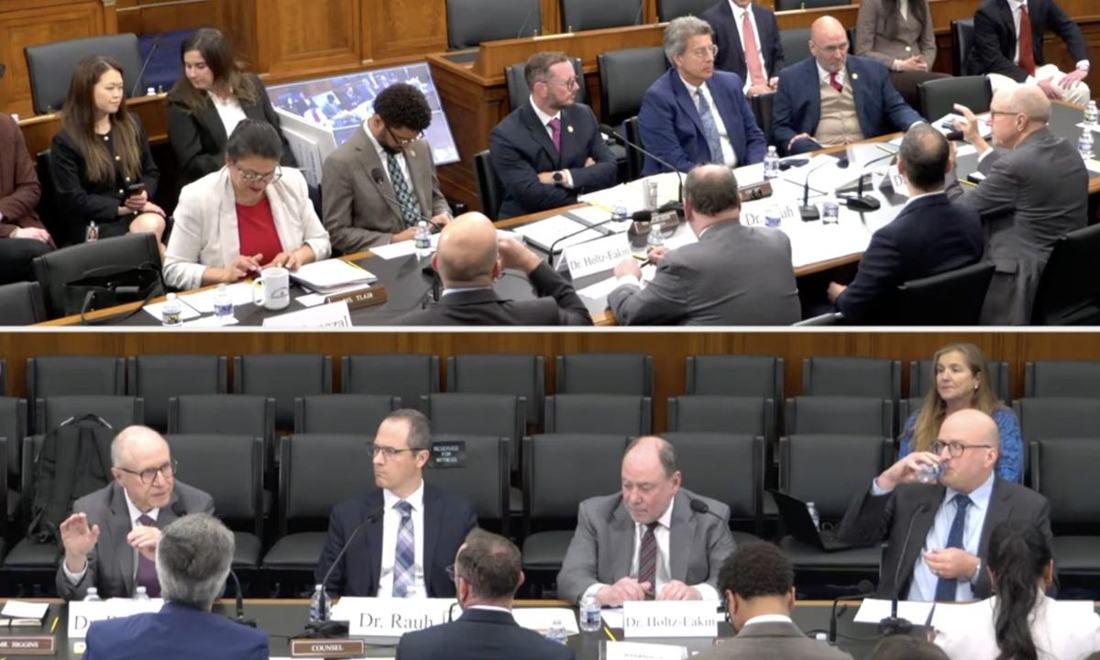
Remarks before Congress by Dr. Bill Beach on "Reducing America’s National Debt: Rooting Out Federal Waste, Fraud, and Overregulation"
May 14, 2026 · William W. Beach, D. Phil.


Anthony Campau, EPIC Fellow and former OIRA Chief of Staff, released the following statement on the Loper Bright and Relentless decisions:
After more than four decades of largely deferring to regulators on key questions of statutory interpretation, today the U.S. Supreme Court made clear that courts – not regulators – should say whether and to what extent Congress has given agencies the power to regulate. In its Loper Bright and Relentless decisions, released just moments ago, the Supreme Court announced a significant rollback of Chevron deference, the judicial habit of deferring to agency interpretations of ambiguities in federal statutes. That longtime practice of deference has emboldened agencies to expand the reach of their authority beyond what Congress has given them, contributing to the massive growth and power of the regulatory state. Today the Court addressed this long-running challenge.
As we said last month in The Hill, the message for Congress is already clear: "Where it has delegated lawmaking power to the agencies, which in turn is used to write regulations, Congress can articulate clear limits on the use of that power. It can narrow the provision of rulemaking authority on the books. It can address overregulation by narrowing and particularizing the grants of rulemaking authority Congress has previously given to agencies. This task may not be quick or easy, but it is extremely important."
Today's decisions help to restore the constitutional balance of power between Congress and the President. Now it is time for Congress to assert its rightful place as the lawmaking body, crafting clear instructions and firm guard rails for regulators.
Anthony Campau in The Hill: A message for Congress in the Supreme Court’s reconsideration of Chevron deference.
For more background on federal rules generally, see: EPIC Explainer: What is a Rule?
For a quick overview of the regulatory development process, see: The Regulatory Development Process.