
The Federal Budget: Spending, Taxes, and Debt
Open Season on Regs: Advancing the Barred Owl CRA

Download ReportShare
Author

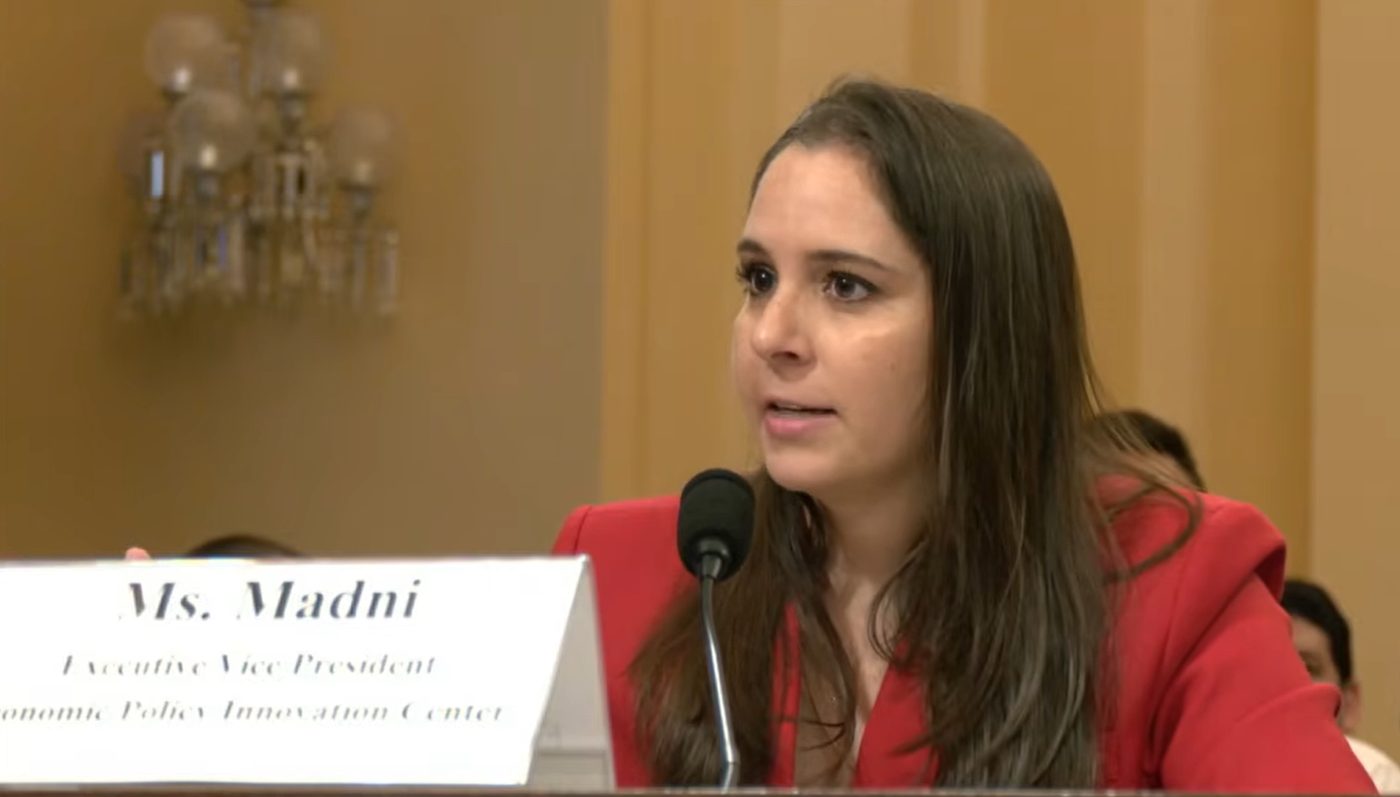
Brittany A. Madni
Executive Vice President
Brittany A. Madni is the Executive Vice President of the Economic Policy Innovation Center (EPIC). She served as a Congressional aide and trusted senior advisor for a decade on Capitol Hill, developing a nuanced understanding of the legislative process with an emphasis on budget and appropriations strategy. Prior to joining EPIC, Madni was Deputy Chief of Staff and Legislative Director for Congresswoman Ashley Hinson (R-IA). Madni helped Rep. Hinson start her office in 2021, where she was instrumental in developing the Congresswoman’s policy priorities and spearheading her work on the House Appropriations Committee. Before serving with Rep. Hinson, Madni served as a senior policy advisor at the U.S. House Budget Committee under Congressman Steve Womack (R-AR) and Congressman Diane Black (R-TN). There, she managed the health and tax policy functions, as well as oversight of the Congressional Budget Office. During her tenure on the Committee, she played a critical role in developing the 2017 Republican health reform bill, along with several enacted federal budgets. Madni also served as first Legislative Director for Congressman Troy Balderson (R-OH), where she helped shape the then-freshman Congressman’s policy platforms and built his legislative team. She began her time as Congressional staff working for Congressman Tom McClintock (R-CA), where she handled budget and health care policy, among other issues. Madni’s first jobs in Washington were a series of internships on Congressional committees, where she assisted with oversight of the administration. Madni holds an M.P.S. in legislative affairs from The George Washington University’s Graduate School of Political Management and a B.A. in English and political science from Boston College. Originally from Florida, she now lives in Virginia with her husband, their son, and their dog, Pepper.
More from Brittany A. Madni →Related content
More →