ARPA's Coronavirus State and Local Fiscal Recovery Funds
President Biden’s American Rescue Plan Act (ARPA) established the Coronavirus State and Local Fiscal Recovery Funds (SLFRF) program. The SLFRF has been authorized at a level of approximately $350 billion to send to state, local, territorial, and tribal governments.
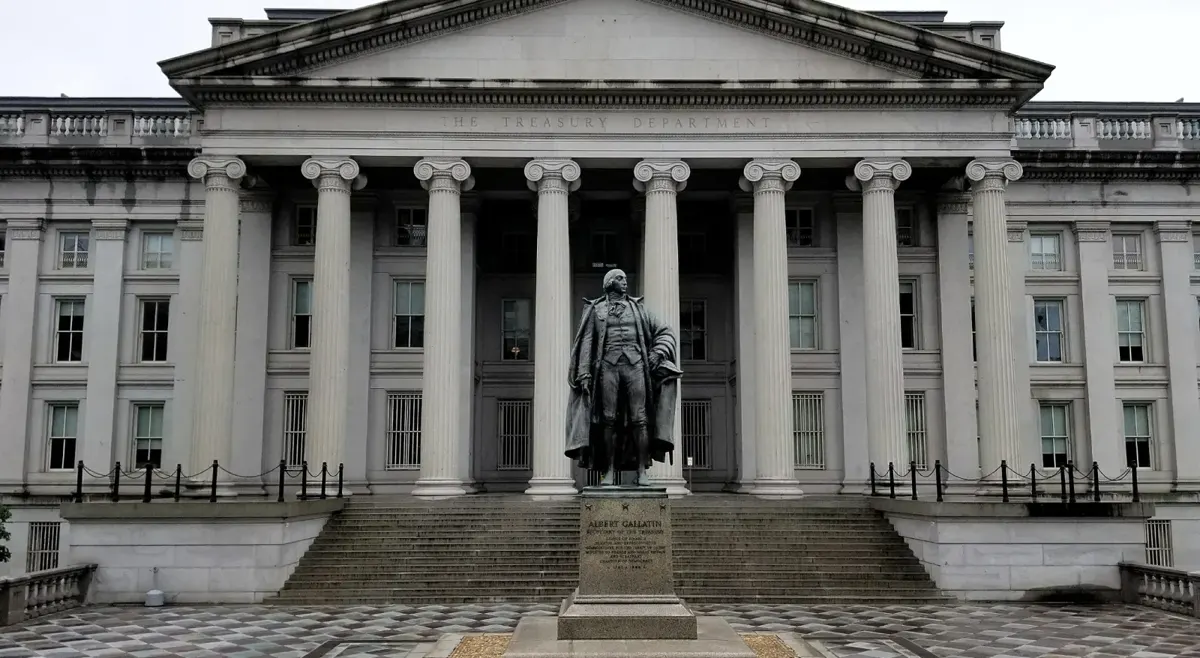
The SLFRF program, which has been criticized for lack of clarity since its inception, was created to support state and local governments with COVID-19 response and recovery efforts. It is administered by the U.S. Department of the Treasury.
Current Status of SLFRF Dollars
To date, about $198 billion of the $330 billion appropriated has been obligated by state and local governments according to Treasury’s most recently available data.
This includes tranches of the funding that were released after the pandemic officially ended when the COVID-19 public health emergency was terminated on May 11, 2023.
The country is back to normal operations. Treasury, it seems, is not.
$90 billion remains to be obligated from the program. States were given until December 31, 2024 to obligate hundreds of billions in SLFRF dollars and until the end of 2026 to spend it – and that’s before the new rule went into effect today.
Anomalous Uses of SLFRF Money
Of the funds already obligated, EPIC has spotted several anomalies, including a perplexing set of expenditures that are reportedly helping exactly zero households recover from the pandemic.
Below are some examples, as identified by EPIC’s President and CEO Paul Winfree, of SLFRF dollars evidently being spent without any reporting demonstrating positive impact:
$71,000 spent by Madison, Wisconsin, on rental and utility assistance. This has served exactly zero households (as reported by Madison).
$291,000 spent by the Dane County, Wisconsin, for people being evicted to navigate the process and settle the eviction action. This has served exactly zero households (as reported by Dane County).
$136,000 spent by St. Louis, Missouri, on targeted cash assistance. This has served exactly zero households (as reported by St. Louis).
$2.1 million spent by Baltimore County, Maryland, to combat food insecurity. This has served exactly zero households (as reported by Baltimore County).
$2.2 million out ($9 million obligated) spent by the State of Nebraska for “educational work school nutrition work and other work required to operate a school facility.” This has served exactly zero households (as reported by the State of Nebraska).
Over $5 million spent by Clark County, Nevada, to “review [the] eligibility of applications to the Emergency Rental Assistance based on documents submitted.” This has served exactly zero households (as reported by Clark County).
Nearly $500,000 spent by Sacramento, California, on developing a meal delivery service program. This has served exactly zero households (as reported by Sacramento).
$10 million spent by a non-profit in DuPage County, Illinois, to “address food insecurity, housing instability, substance use disorder, behavioral health disorders, and other negative impacts caused by [COVID-19].” This has served exactly zero households (as reported by DuPage County).
This money, and billions of dollars more, may have been used legitimately and for reasons Congress intended and would approve. Indeed, the funds may have been spent well - these programs may have helped people even while increasing the national debt - but without proper reporting, we will never know.
No potential good done negates the reporting requirements or the fact that supposedly zero households have been accurately tracked as being supported by these “fiscal recovery” dollars.
Oversight Is Needed
Either the reporting requirements are problematically lax or something concerning is going on somewhere between the state and local governments and the Treasury Department.
Regardless of the cause, the fact that these anomalies are so frequent in Treasury’s data set should not be ignored.
This calls for more oversight over ARPA money, with particular attention paid to the SLFRF.
Congress would be well within its authority to examine every ARPA dollar, and in fact, House Oversight Committee Chairman James Comer has already called for such review.
In a March 2022 hearing, while still serving as the Committee’s Ranking Member, Mr. Comer commented, “[ARPA] might have sent plenty of money out the door, but they refused to put guardrails in place to ensure that it was spent well.”
Now that Treasury appears to be lackadaisical with enforcing reporting requirements, Congress may want to begin its next round of oversight on the anomalies in the SLFRF.