The
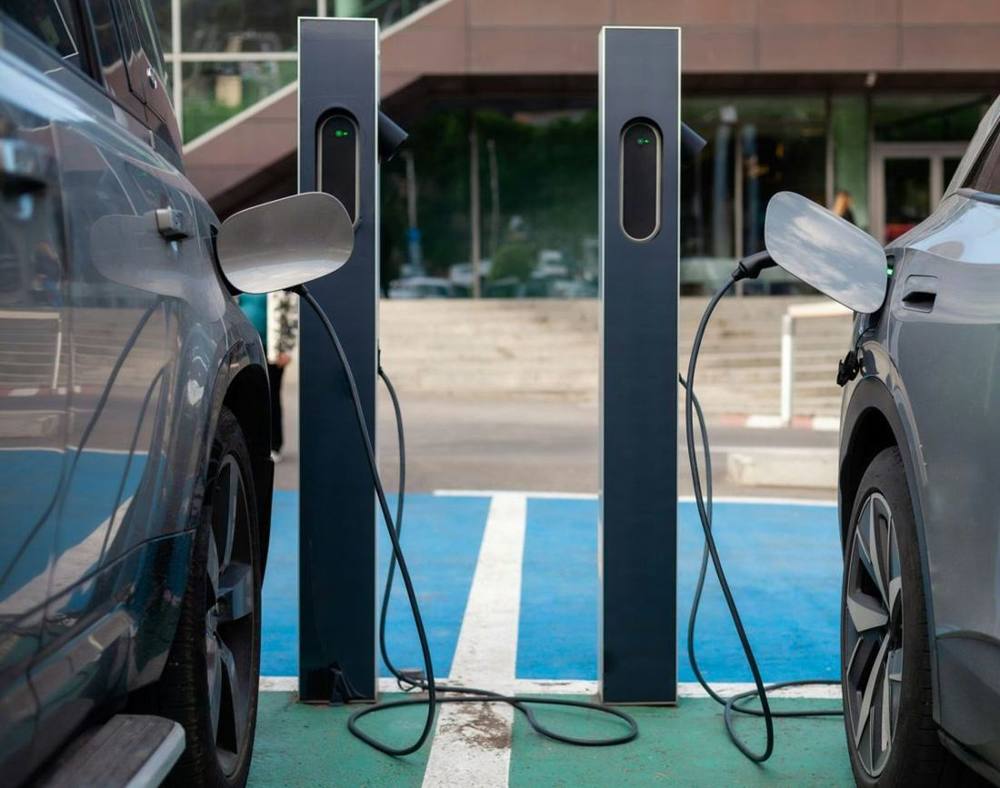
Infrastructure Investment and Jobs Act (IIJA), also known as the Bipartisan Infrastructure Law, created the Charging and Fueling Infrastructure (CFI) grant program. CFI provides competitive federal grants to states, utilities, and community organizations to build charging stations in both corridor and community locations, with
$2.5 billion allocated across fiscal years 2022 through 2026.
CFI Goes Woke
The CFI program funds flow to state and local governments, metropolitan planning organizations, and public utilities. In keeping with President Biden’s
Justice40 Initiative, at least 40% of the funds for each project must go to “communities of color” to advance environmental justice initiatives. Competitive scoring of projects by the Department of Transportation
weighted justice and equity considerations higher than considerations of safety, the ability of a project to complement existing federal programs, and how well a project would facilitate broad public access to infrastructure in awarding grant money.
In February 2025, the Trump Administration
paused the CFI program pending review of fund distribution after finding waste, fraud, and abuse in grants. Here are some examples.
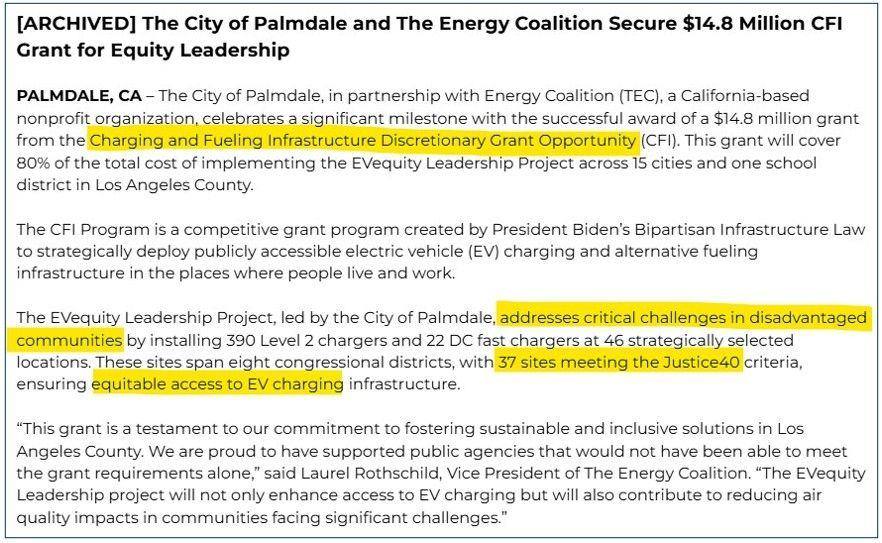
City of Palmdale, CA - $14.8 Million
This EVequity Leadership
project received nearly $15 million to install electric vehicle (EV) charging infrastructure in California. This
project explicitly prioritizes communities that meet the Justice40 community of color standards in the name of equity and environmental justice.
Millions of taxpayer dollars should not be going towards building EV infrastructure based on racial and ethnic makeup of towns in California as was allowed under the CFI program.
Maryland Clean Energy Center, MD - $33.5 Million
The
Maryland Clean Energy Center aims to advance equitable transportation as part of their social justice advocacy. They
received more than $33 million to ensure that “disadvantaged” communities have access to charging infrastructure as part of their efforts to “advance energy fairness.”
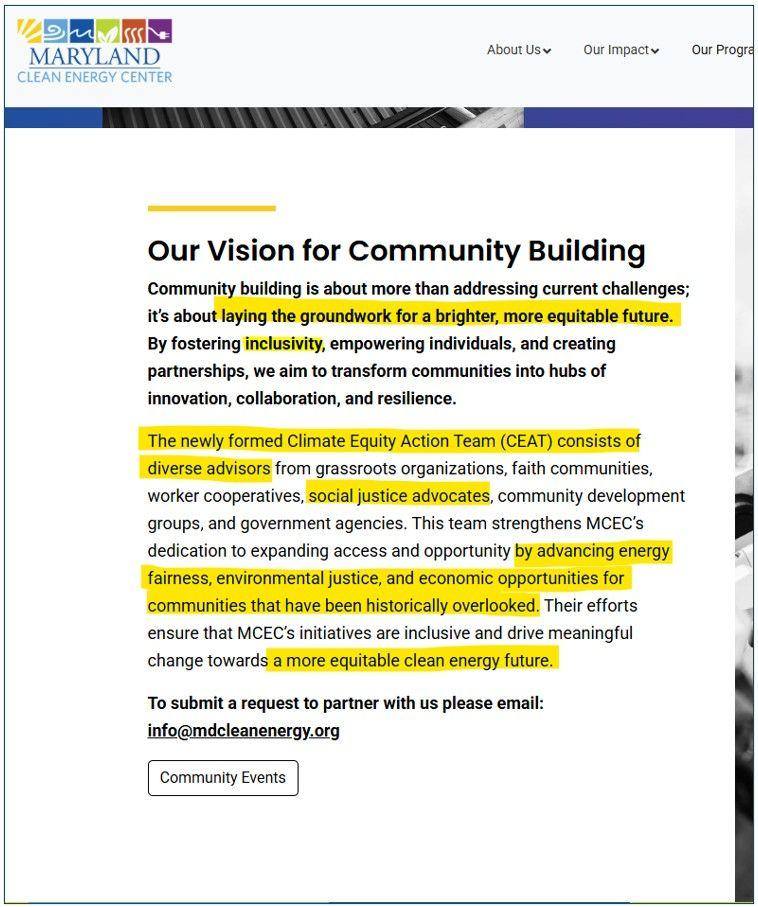
Federal infrastructure money should not go to fund increasing equity in EV charging infrastructure as the CFI grant program explicitly does.
City of Detroit, MI - $9.2 Million
The City of Detroit
received nearly $10 million through the CFI grant program to build EV charging infrastructure framed around equity goals. Planned installations include chargers located in casino parking garages as part of the city’s broader effort to
transition from a “motor city” to a “mobility city.”

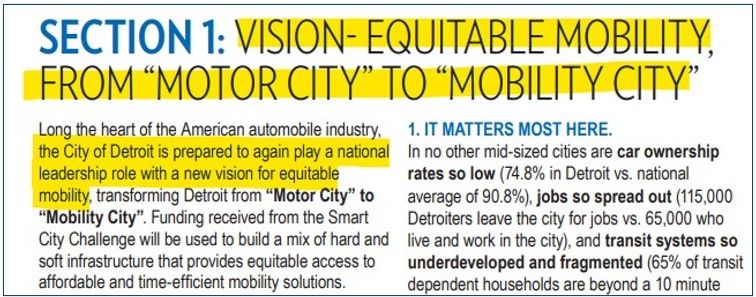
The CFI program has allowed federal transportation funds to subsidize equity initiatives and EV chargers in casinos. Wasteful funding streams such as this should permanently end and tax dollars be put to better uses.
Vehicle Recharging Options of Milwaukee (VROOM), WI - $15 Million
VROOM is a program run by the City of Milwaukee that aims to increase EV charging around the area to “support the city’s climate and equity goals.” This program
received $15 million through CFI and includes plans to focus hiring around race rather than skill.
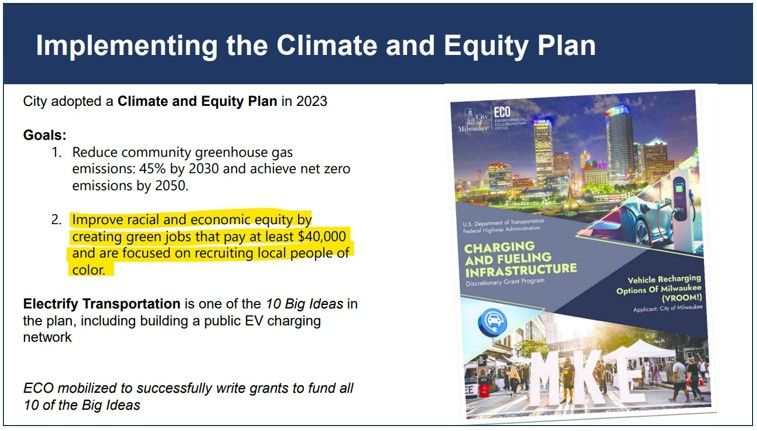
The CFI grant program is enabling federal dollars to flow to projects built around racial justice employment criteria, a misuse of funding that underscores why this grant program should not return.
Atlanta Regional Commission, GA - $6.1 Million
The Atlanta Regional Commissions (ARC)
received $6 million through the CFI grant program to improve EV equity in Georgia. Their
implementation plan explicitly states that they plan to build these chargers in Justice40 communities and to follow the advice of the
Transportation Equity Advisory Group (TEAG).
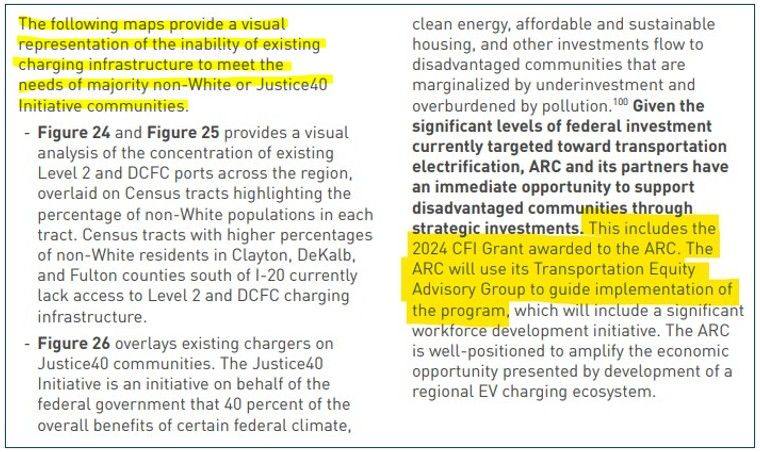
TEAG plays a formal role in shaping the grant’s rollout, advising on site selection, community engagement, and program priorities with an explicit mandate to advance equity and racial justice goals in Atlanta transportation programs.
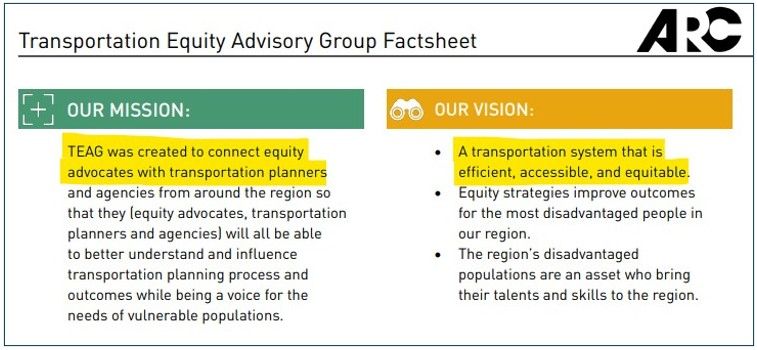
Transportation funding should not be funneled to support EV infrastructure placement as shaped by an equity group. The CFI grant program that allowed this should remain shuttered.
Victor Valley Transit Authority, CA - $12 million
The CFI program
announced $12 million to create a hydrogen station for the Victor Valley Transit Authority (VVTA) to support their fleet of only
13 hydrogen buses.
The VVTA hosts an annual
equity day event to highlight their commitment to equity initiatives in transportation.
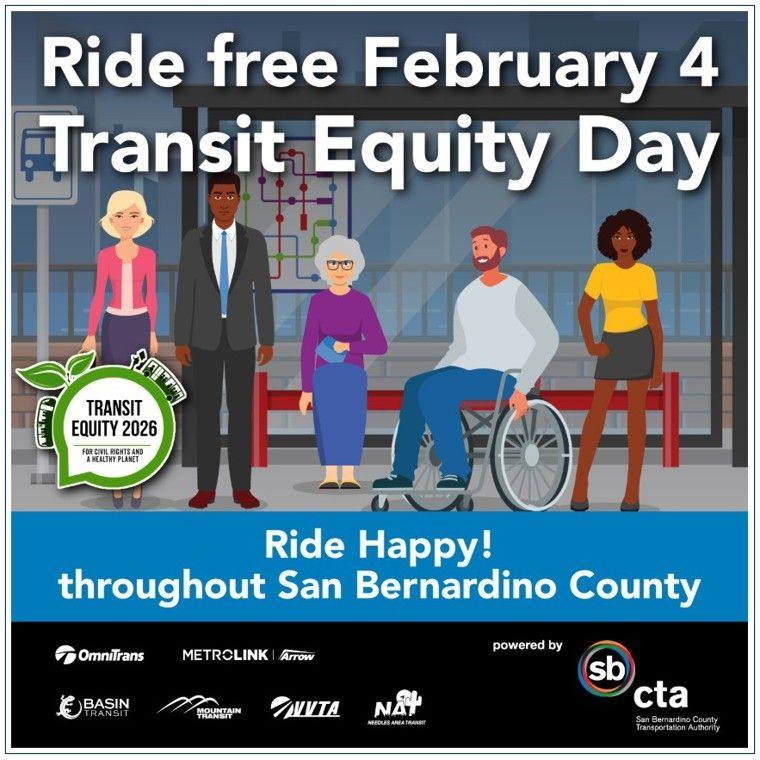
Even apart from that context, the project raises questions about cost effectiveness. Hydrogen buses remain significantly more expensive to operate than conventional diesel and, in many cases, battery-electric alternatives. Fueling a single hydrogen bus can exceed
$2,000, while refueling a traditional diesel bus with a 150-gallon tank costs roughly
$560.
The CFI grant stream allowed funding to subsidize California’s expensive and highly specialized fueling infrastructure for a transit authority that encourages equity initiatives. A program that gives funding for this should rightfully be allowed to expire.
Redirecting EV Funds Towards Transportation
Initiatives like CFI have produced limited results despite billions in federal funding. Deployment has been slow, and some grants have prioritized equity and advocacy goals over broadly beneficial infrastructure. Lawmakers should stop authorizing wasteful spending on transportation programs like CFI.