The Carbon Reduction Program (CRP) was established by the
Infrastructure Investment and Jobs Act (IIJA) to “reduce transportation emissions.” The IIJA allocated an
estimated $6.4 billion the program. The CRP was billed as a way to deploy projects such as advanced traffic monitoring and control systems, vehicle-to-infrastructure communications equipment, and rapid bus transit lanes throughout the country. Instead, this money has gone to local infrastructure projects such as sidewalks and trails.
A Walk in the Pork Barrel Park
The CRP provides funding for “on and off-road trail facilities for pedestrians, bicyclists, and other nonmotorized forms of transportation.” Because of how vague that description is, almost any project that pedestrians and bicyclists use could be justified. Local governments jumped at the opportunity to get federal tax dollars to replace their aging infrastructure.
The federal government spent
almost $20 million of CRP funds on 13 trail projects in California, including $2.4 million on entrances for the Pico Rivera Regional Trail near Los Angeles.
$800,000 of federal funding went towards
a riverwalk in Saline, Michigan—a town with fewer than 9,000 people.
Another $5 million went towards
constructing sidewalks in the Hamlet of Clarence Center in the state of New York, which has a population of around 2,500. Clarence Center has a median household income
of almost $139,000 per year, and it received almost $2,000 of federal funds per person just for sidewalks.
Perhaps most egregiously, $961,000 of CRP funds went to San Bernardino County towards replacing
a single section of sidewalk. Below are the before and after images proudly shared by the county government.
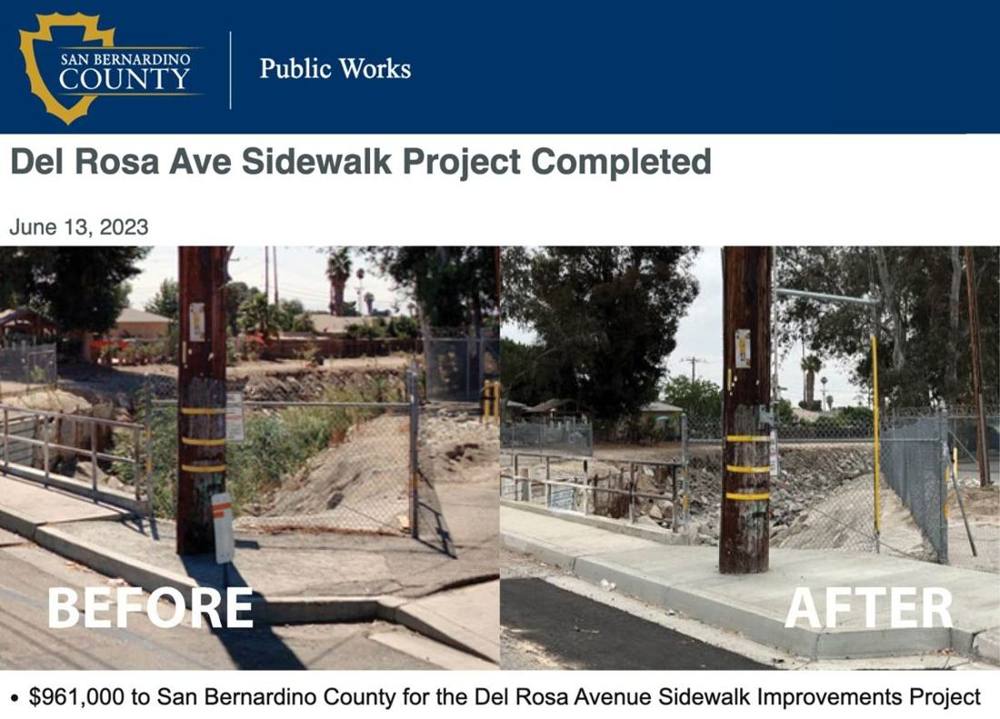
The county government stated
in a press release that residents “will benefit from the transportation and climate impacts these projects will have in the coming years.” How this million-dollar slab of concrete will impact the climate at all, let alone enough to justify its bloated cost, is a mystery. And
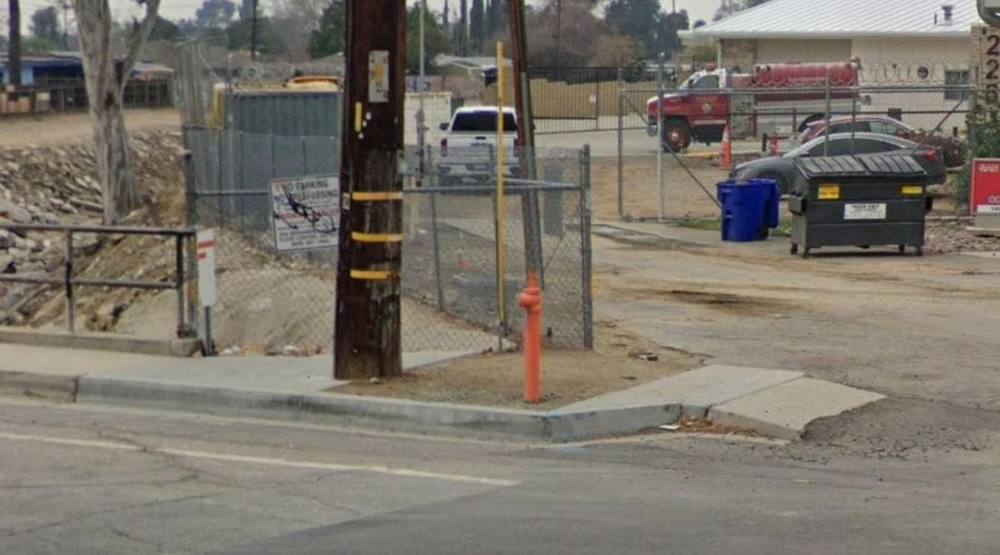
here it is, less than two years later per Google Street View, apparently in need of replacement yet again.
Stop the Waste
The CRP was a pretext to provide pork barrel funding to local governments, and not just for sidewalks, but for projects to replace streetlamps, traffic lights, and roundabout construction. Whatever carbon reduction the CRP did accomplish was likely extremely negligible, but the expense has been immense.
The federal government is now
$38.5 trillion in debt. With a new Highway Bill looming, policymakers should remember that spending needs to go
towards national priorities, not wasteful local boondoggles. The value of infrastructure comes from how much it’s used, and spending millions of dollars on projects in small towns with overinflated construction costs is not providing enough value compared to the cost.