Abandoned Offices
While most of America has returned to the office, a staggering number of federal employees have left their office spaces vacant. The Office of Personnel Management’s December 2024 “
Status of Telework in the Federal Government Report to Congress” recounts an increase in the percentage of federal employees eligible for telework, from 52 percent in fiscal year (FY) 2022 to 57 percent in FY 2023 under the Biden-Harris Administration.
Of those telework-eligible employees, 75 percent of them teleworked in 2023 which meant that 43 percent of federal employees participated in telework in 2023. While this is a decline from the high of 47 percent reached in 2022, it is still roughly double the 22 percent of federal employees who teleworked in 2019. Moreover, an additional 7 percent of federal employees are classified as remote workers.

Taxpayers Should Not Fund Unused Buildings
Amidst the massive increase in federal telework, a
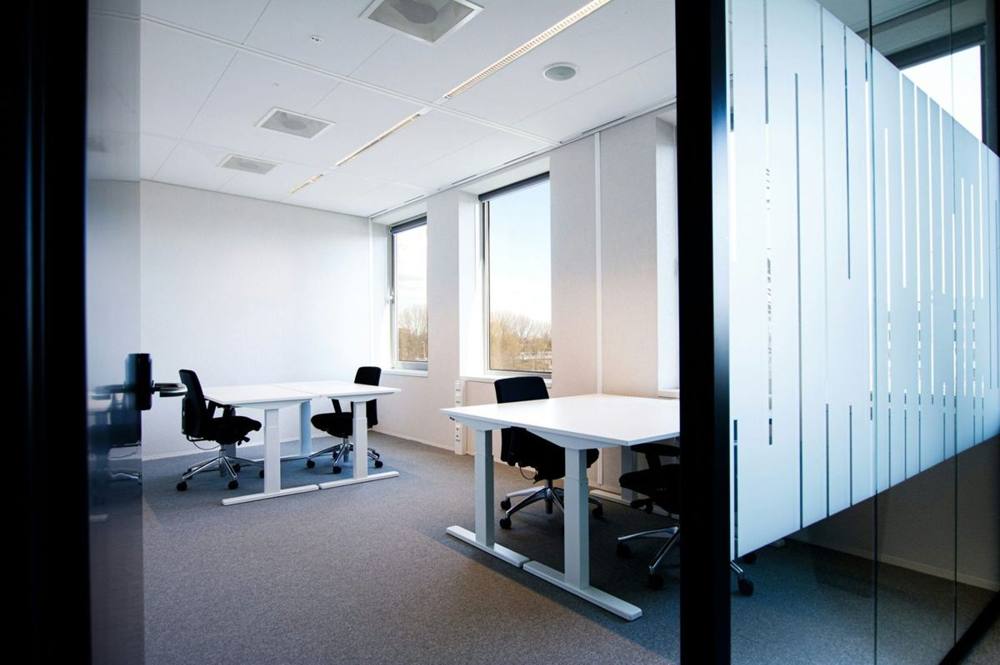
2024 report to Congress from the Public Buildings Reform Board found that federal office buildings in DC averaged a mere 12 percent occupancy rate and no building was more than 26 percent full. The Department of Labor has capacity for 4,868 people, yet a mere 441 were there on an average day (9 percent occupancy). The Department of Veterans Affairs was only 7 percent occupied; the Department of Agriculture was only 6 percent occupied, and the Department of Energy had a mere 8 people in its 1.8 million square foot space (0 percent).
The federal government spends $8 billion a year to operate, maintain, and lease office space, and about half of the government’s leases (covering more than 70 million square feet of space) have expiration dates between 2025 and 2029. Agencies that use less than a specified percentage of their office space should be required to reduce their space or to merge with other underutilized federal office spaces. This would save taxpayers billions of dollars per year and would free up space for the private sector to put to more productive use.
Locality Pay Loopholes
Federal employee salaries are determined, at least in part, by where the employee’s office is based. The pay for employees performing similar jobs can
vary up to $20,000 between localities.
The office of Inspectors General found that between
23 and 68 percent of teleworking employees collect incorrect locality pay that is higher than what their pay would be if it was adjusted to location in which they are actually living and working.
Congress Should Reduce Empty Unused Office Space and Restructure Locality Pay
In her
“Out of Office” report, Senator Joni Ernst recommended specific legislation to save taxpayers from paying for unused office space and wrong locality pay adjustments.
The bipartisan
Telework Transparency Act would require independent annual reviews of agencies to better ensure correct locality pay adjustments.
The Requiring Effective Management and Oversight of Teleworking Employees
(REMOTE) Act would provide location tracking of employees’ work to enable proper pay determinations.
The Utilizing Space Efficiently and Improving Technologies
(USE IT) Act would require buildings with less than 60 percent occupancy rates to reduce or consolidate their unused space.