Medicaid was not cut by the One Big Beautiful Bill Act (OBBB). In fact, it’s continuing to grow by a lot.
Medicaid Growth Post-OBBB
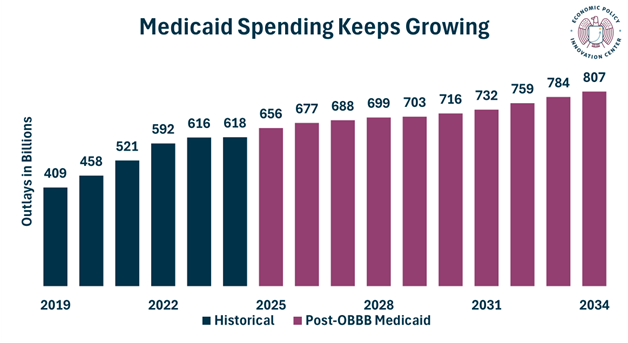
Post-implementation of the OBBB, Medicaid spending is
projected to grow from $618 billion in fiscal year 2024 to $807 billion in fiscal year 2034. In other words, even after the OBBB takes effect, Medicaid spending will
increase 31 percent.
As the government shutdown continues, Congressional Democrats have included a reversal of the OBBB’s commonsense reforms to Medicaid in their
$1.5 trillion list of demands. They make the false claim that the reconciliation package “cut” Medicaid to the detriment of poor Americans, but the truth is the opposite. It’s worth investigating this.
Washington politicians calling a 31 percent increase in Medicaid a “cut” are being disingenuous at best. At worst, they are intentionally lying to the American people in an attempt to fearmonger when they should really be working to put Medicaid – and all federal spending – on a more sustainable path.
Prior to the increases to the program in the COVID-19 pandemic years, Medicaid outlays totaled $409 billion. Even after the improvements and reforms included in the OBBB, the program is expected to see an over 97 percent increase, nearly doubling, by 2034.
Reprioritizing Medicaid for the Most Vulnerable
Ballooning Medicaid spending is not a positive accomplishment to be touted. Massive Medicaid expansion is not helping America’s most vulnerable; it’s prioritizing welfare for those who could work instead of ensuring limited resources for those who need them most.
And this isn’t just a difference of opinion on the program’s legitimate goals. The vast nature of expanded Medicaid has resulted in rampant fraud, waste, and abuse. The program was failing the most vulnerable Americans the program was designed to serve while federal spending on it ran amok.
Before the OBBB, able-bodied work-capable adults without dependents
took advantage of the program,
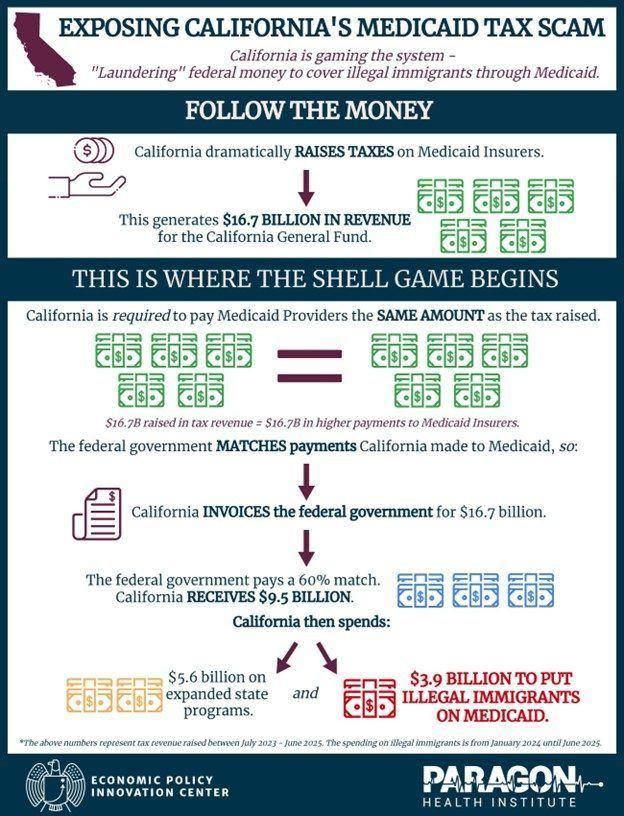
illegal immigrants received benefits through loopholes,
states and providers colluded to drain federal funds, and
improper payments soared. This demonstrates a systemic problem that focuses on increasing government reliance and accepting waste rather than lifting people up.
Now, work requirements and closed loopholes from the OBBB will help ensure that the program’s dollars are refocused on those who cannot work, like low-income children and the disabled. It
preserves Medicaid instead of allowing it to continue being abused and destroyed.
Preserving Medicaid Improvements
It isn’t just growth in the program we should be talking about. Because of the reforms in the OBBB, the program will work better for those who truly need it – America’s most vulnerable patients.
It would be a tragedy to walk that progress back in an end-of-year spending deal for political gain at the price of Americans in need.