
NYC Unveils Trash Bins
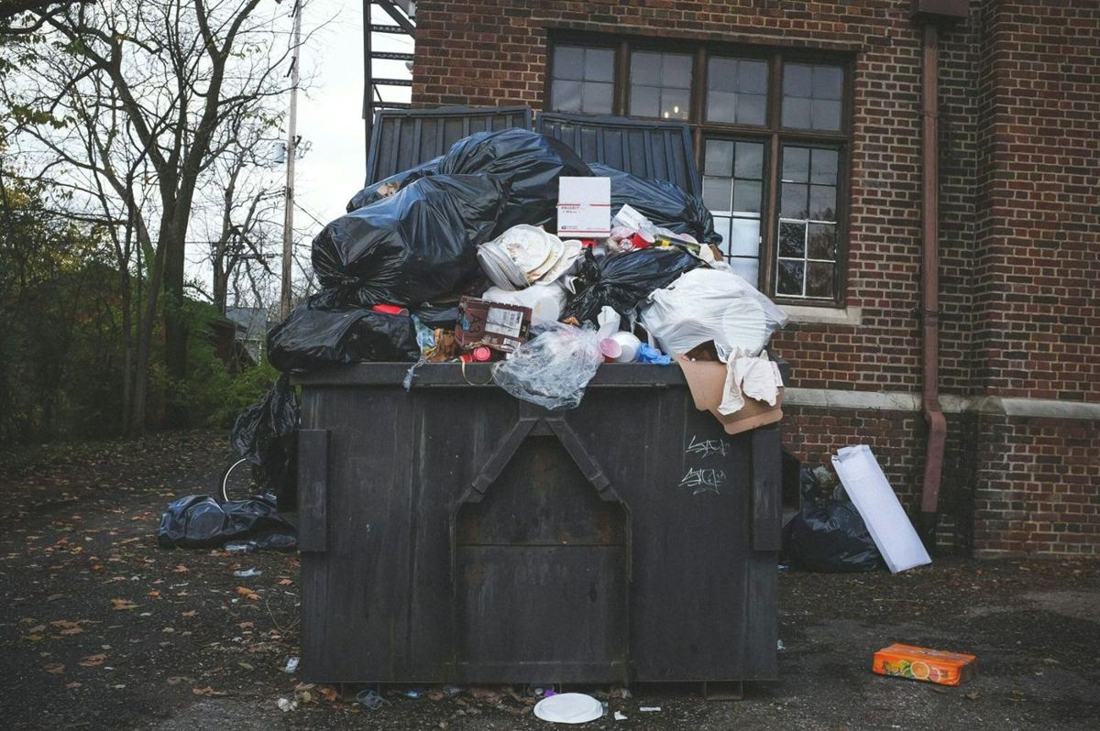
This week, New York City Mayor Eric Adams unveiled a new program in the metropolis: using trash bins to contain garbage bags.
Apparently, the idea of putting garbage in bins instead of leaving it to fester in the streets is “revolutionary” to New Yorkers. So revolutionary, in fact, that the city paid McKinsey $4 million to study this problem.
But where is this money coming from?
It turns out, much of the “trash revolution” in New York City is being funded directly by federal taxpayers through Bidenomics.
Bidenomics Slush Fund
The Bidenomics Slush Fund (officially the Coronavirus State and Local Fiscal Recovery Funds under the American Rescue Plan Act) has a proven history of misappropriating and wasting taxpayer dollars.
For example, EPIC has previously uncovered that this $350 billion slush fund has been used to subsidize golf courses and pickleball courts, illegal immigration, vaccine lotteries, and local bureaucrats.
The lastest EPIC discovery: the Bidenomics Slush Fund is being used to subsidize the “Waste Collection and Removal” project in New York City.
Subsidizing NYC Trash Bins
Based on Treasury’s own data, the Biden Administration approved $1,048,660,642 for the NYC garbage project. That’s well over $1 billion in COVID funding being spent on NYC’s trash.
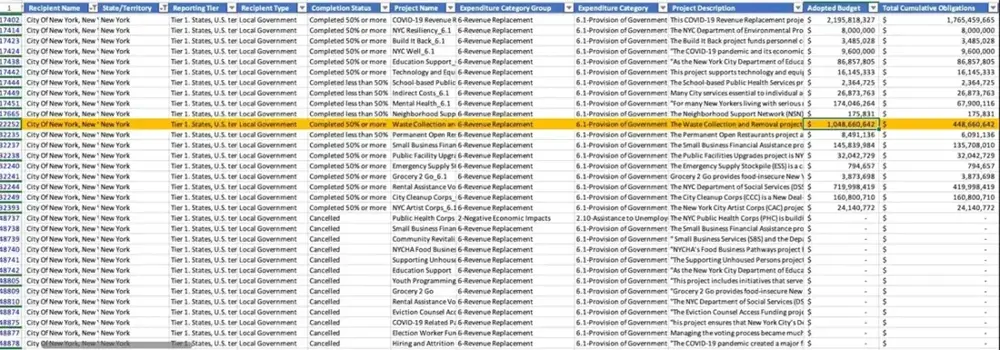
The massively expensive project is considered “revenue replacement” under the ARPA category that allows COVID money to be spent on the local governments’ non-health care related priorities.
In this case, the SLFRF project “supports the collection of litter from neighborhood baskets and transport of the City’s waste to various landfills and incinerators and allows for an increase in dedicated litter basket service by more than 100 trucks per week.”
In other words, federal taxpayers are paying over a billion dollars for new trash bins and more regular trash collection for New Yorkers.
Continued Pandemic Spending
This is happening under the guise of COVID spending. Of course, the pandemic emergency has been long over. Even the official federal public health emergency for COVID-19 ended May 11, 2024 – well over a year ago.
According to the most recently available data from Treasury, released in December 2023, only $448,660,642 has been spent so far of the $1,048,660,642 Treasury approved for the project.
That means $600,000,000 is still being spent out on this trash project. Long past the pandemic’s end – and on a program that has almost no tie to COVID-19.
Congress Should Rescind the SLFRF
Congress should rescind all unobligated balances from the Bidenomics Slush Fund.
While much of this funding has already been misappropriated, Congress has the ability to stop more of it from going out the door to garbage like this.