FY 2026 Appropriations Levels
The conferenced FY 2026 appropriations bills total $1.639 trillion in net base funding.
That is $38.5 billion above the FY 2025 enacted level, and $26.1 billion below a
clean FY 2026 continuing resolution (CR).
| FY 2026 Appropriations |
| Bill |
FY 2025 Enacted |
FY 2026 Continuing Resolution |
FY 2026 Conferenced |
| Ag |
26.643 |
26.686 |
26.650 |
| CJS |
67.810 |
78.449 |
78.011 |
| DOD |
831.513 |
834.396 |
838.653 |
| E&W |
58.066 |
57.862 |
58.039 |
| FSGG |
15.873 |
26.298 |
26.298 |
| DHS |
65.030 |
64.973 |
64.400 |
| Interior |
40.874 |
40.313 |
38.600 |
| LHHSED |
198.150 |
207.813 |
194.904 |
| Leg |
6.742 |
6.775 |
7.229 |
| MilCon-VA |
146.553 |
165.925 |
153.278 |
| State |
56.847 |
59.758 |
50.014 |
| THUD |
86.370 |
95.841 |
102.883 |
| Total |
1,600.471 |
1,665.089 |
1,638.959 |
| Figures represent the net scored base budget authority in billions, after rescissions, changes in mandatory programs (CHIMPS), and other offsets are subtracted from gross new budget authority provided.
Sources: House and Senate Appropriations Committees and Congressional Budget Office. |
Gimmicks Distort Budget Scoring
Why would a clean FY 2026 full year CR score so much higher than the FY 2025 enacted appropriations?
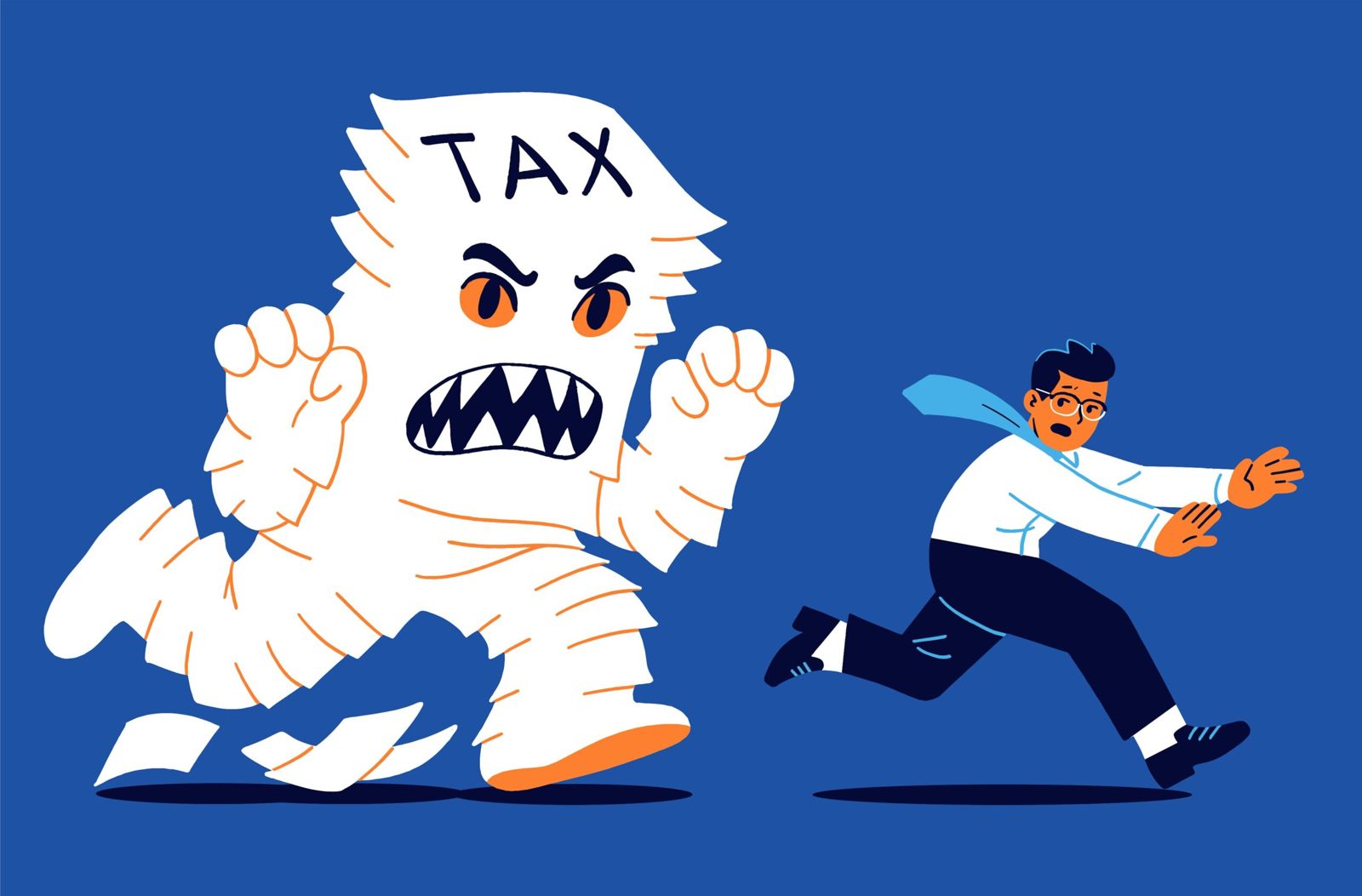
Appropriations bills are often packed with budgetary gimmicks that make the topline levels look lower than the actual new spending provided. For example,
rescissions and
changes in mandatory programs (CHIMPS) allow on-paper reductions to budget authority (BA) — often unneeded BA that would never actually be spent — to offset new BA that will be spent.
The enacted FY 2025 appropriations included a significant number of rescissions, including $20 billion from the Inflation Reduction Act (IRA) Internal Revenue Service (IRS) enforcement funding. Under a clean CR, many of those offsets would not be carried forward, but the higher underlying spending levels do.
The final versions of the FY 2026 appropriations bills
include more than 100 rescissions totaling $55.2 billion. This means that the actual new spending authority provided by the conferenced bills is likely closer to $1.7 trillion.
Lack of Transparency Makes Comparisons Difficult
Appropriations bills are the most important legislation affecting federal spending considered by Congress on a regular basis. Despite this, the CBO
does not provide formal cost estimates on the regular appropriations bills.
That is because a loophole in
Section 402 of the Budget Act carves out bills reported by the House or Senate Appropriations Committees from the requirement that the CBO prepare cost estimates for legislation reported by other committees.
The CBO sometimes releases a summary score, but vital details, such as CHIMPs, rescissions, and other account level scoring are not included.
The appropriations loophole does not prohibit CBO from conducting analyses of appropriations bills. In fact, the CBO has
disclosed that it “provides detailed reports showing estimates of the discretionary budget authority provided and the outlays that would occur in that year, including the estimated budgetary effects of provisions that make changes in mandatory programs,” including “account-level details.”
These analyses are provided to the Appropriations Committees and other “interested parties in the Congress.” However, the data is
not widely distributed to all Members of Congress, their staff, or the public.
The CBO
testified in 2017 that it was “developing a plan to make that information available to the public in an accessible format.” While the CBO has since then publicly provided additional information about appropriations bills, it has yet to make all relevant analysis available.