
Matthew D. Dickerson
Director of Budget Policy
Matthew D. Dickerson is Director of Budget Policy at the Economic Policy Innovation Center (EPIC).
Dickerson is recognized as an expert on fiscal policy issues, including the budget, appropriations, and entitlement reform. His articles have been featured in the Wall Street Journal, the Miami Herald, National Review, the Sacramento Bee, the Washington Times, the Baltimore Sun, The Hill, the Washington Examiner, and other outlets.
Prior to joining EPIC, Dickerson served as Senior Policy Advisor on the staff of the House Budget Committee, where he helped lead development of the fiscal year 2024 budget resolution.
He has a dozen years of experience on Capitol Hill, including as a senior staffer with the Republican Study Committee (RSC), the caucus of conservatives in the House of Representatives. Under four different RSC chairmen, Dickerson held senior level roles including Policy Director and Senior Policy Staff. Additionally, he served as Legislative Director and other policy positions for the late Congressman C.W. Bill Young (R-FL), a former Chairman of the powerful House Appropriations Committee.
During his tenure at The Heritage Foundation, Dickerson was Director of the Grover M. Hermann Center for the Federal Budget. In this capacity, he oversaw a team of budget analysts and economists researching diverse subjects including spending, entitlements, budget process, tax, labor, pensions, and infrastructure issues. He has also been a Policy Manager at Americans for Prosperity, where he supervised a team of fellows and analysts covering a variety of federal and state policy issues.
Dickerson is a graduate of the College of William and Mary in Virginia and holds a Bachelor of Arts in Government and History.

Publications
All →

Does Federal Infrastructure Spending Increase Real Capital Investment? Early Evidence from the Infrastructure Investment and Jobs Act (IIJA)

EPIC EXPLAINER: The Evaporating Convenience Yield Means Interest Costs Could Increase Significantly

The Fiscal State of the Nation Demands Attention


CBO Baseline for FY 2026 Projects Rising Spending, Higher Revenues, and Growing Debt


EPIC EXPLAINER: Food Stamp Categorical Eligibility

Federal Agency Shutdown Plans for the Second Partial Shutdown of FY 2026

CBO Promises Congress Analysis of Appropriations Bills — But Only After They Are Enacted

EPIC EXPLAINER: Final FY 2026 Appropriations Levels

The Budget Process Can’t Be Overly Prescriptive

Appropriators Have Identified Billions in Potential Rescissions that Could Reduce the Deficit


Concerning Earmarks Remain in the Final Appropriations Minibus


Social Security Exposes The Flaws In The CBO Baseline


Reconciliation Lessons Learned: Build the Budget Resolution Around the Reconciliation Bill, Not the Other Way Around

The Biden COVID Credits Already Had a Three-Year Phase Down


Stop Funding Nonessential Government Employees


DeLauro-Murray Continuing Resolution Increases Spending by Nearly $1.5 Trillion


FAQ: Does A CR Automatically Extend Funds Congress Previously Rescinded?


OBBB Myth vs. Fact: Food Stamp Savings Don't “Slash” Spending

OBBB Myth vs. Fact: Medicaid “Cuts” Are Just Washington Math


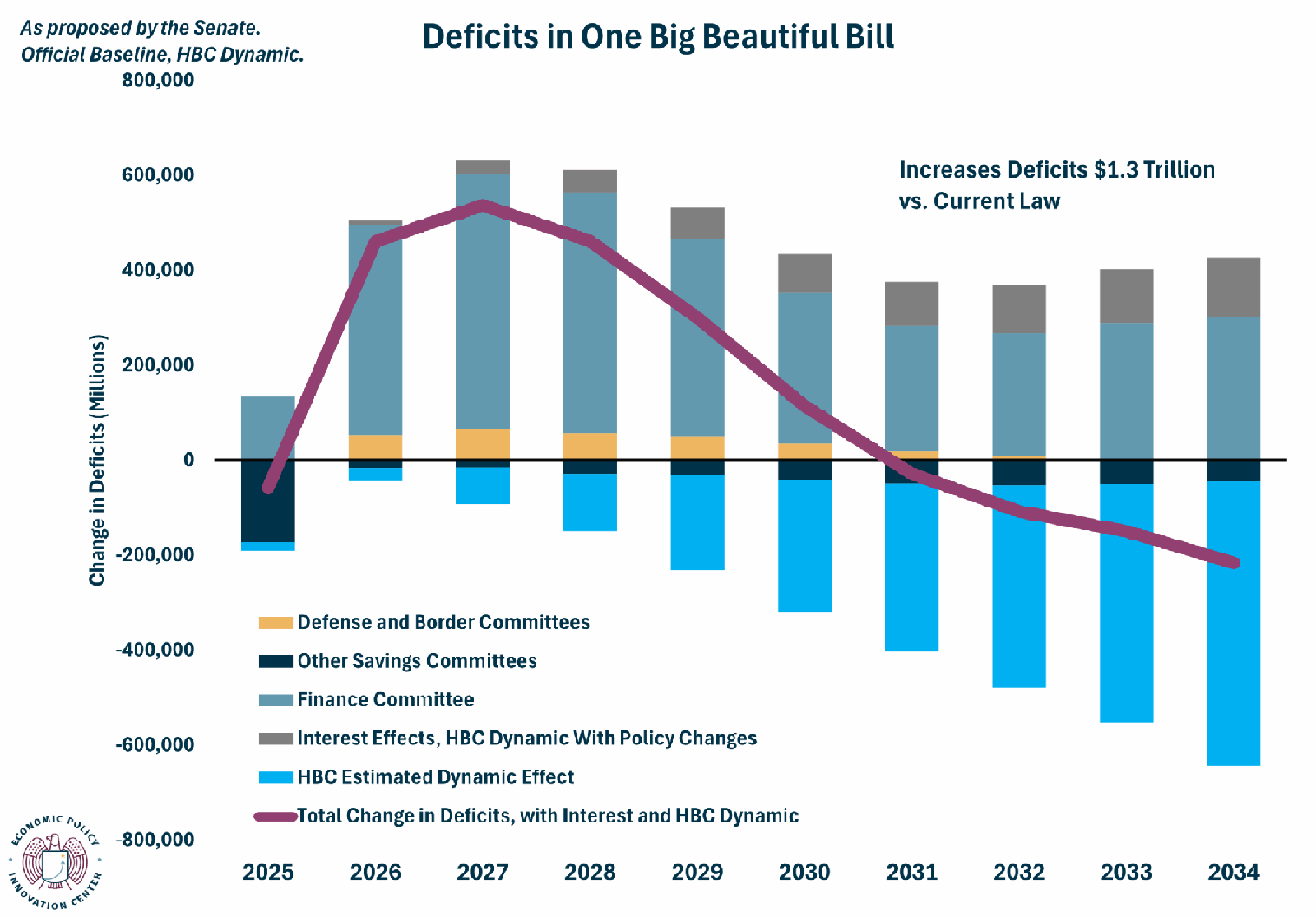
The Fiscal Effects of the Senate Reconciliation Bill

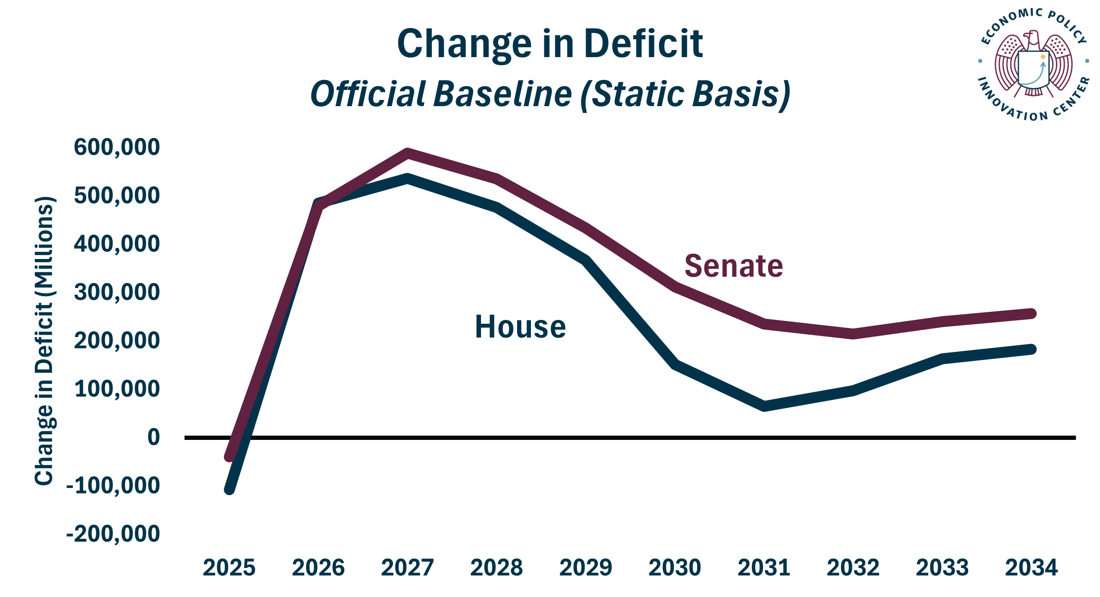
Comparing The House And Senate Reconciliation Bills

Senate Reconciliation Bill Violates The Fiscal Framework

EPIC Table: Comparing House-Passed Food Stamp Policies in the OBBB to Senate Proposal


Testimony by Matthew Dickerson on Rooting Out Waste and Fraud and Restoring the Dignity of Work

EPIC Infographic: Five Tools Congress Can Use to Control Spending
Testimony by Matthew Dickerson on Locking In the DOGE Cuts

Senate Food Stamp Proposal Makes Important Reforms, But Should Be More Closely Aligned with the House-Passed One Big Beautiful Bill

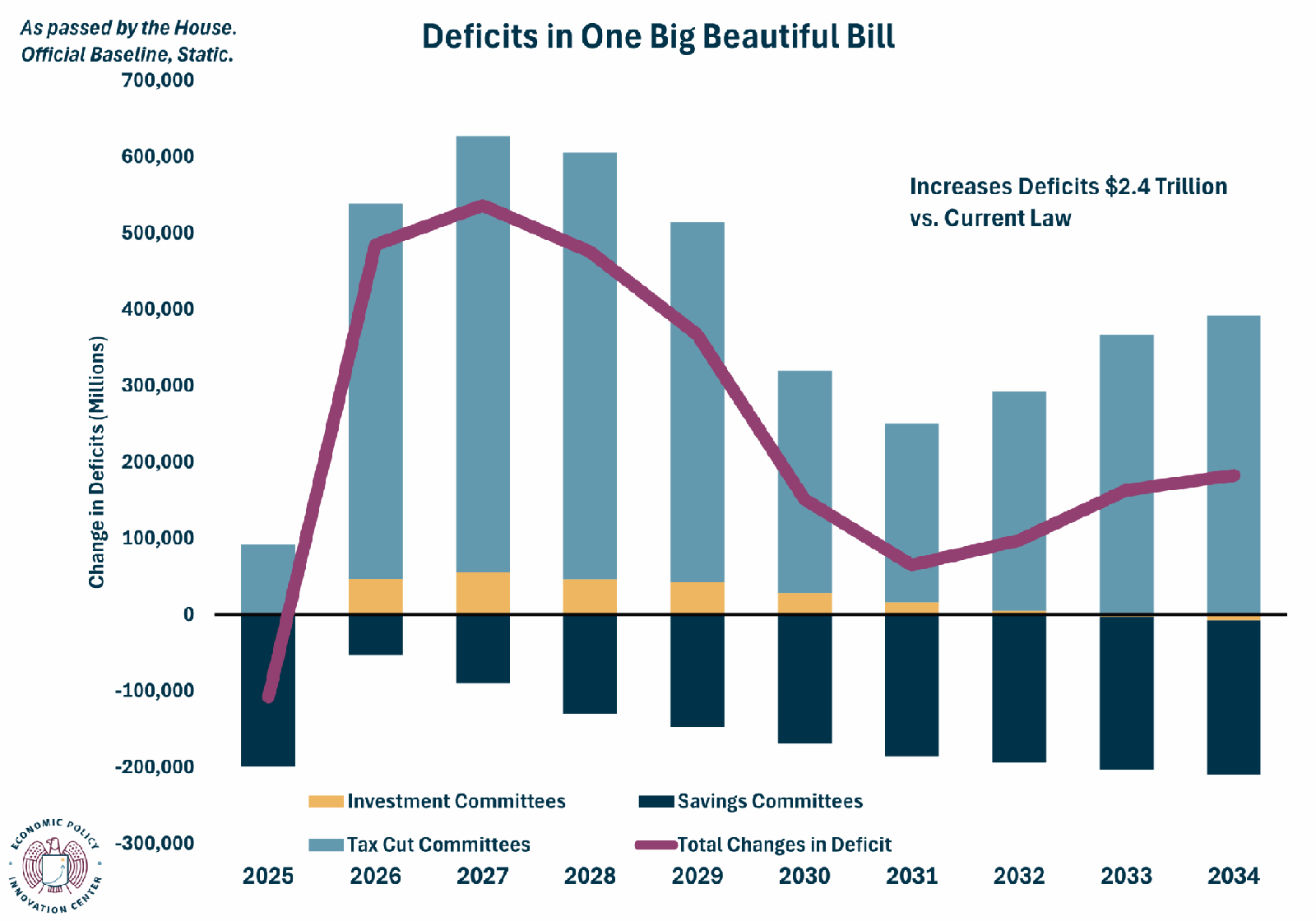
Fiscal Effects Of The One Big Beautiful Bill

Aligning Medicaid Work Requirements with Proposed Food Stamp Standards


High Tax Salt States Also Subsidized By Medicaid

Progress In Strengthening Food Stamp Work Requirements

Washington Pays More to Cover Medicaid for Healthy Adults than the Vulnerable

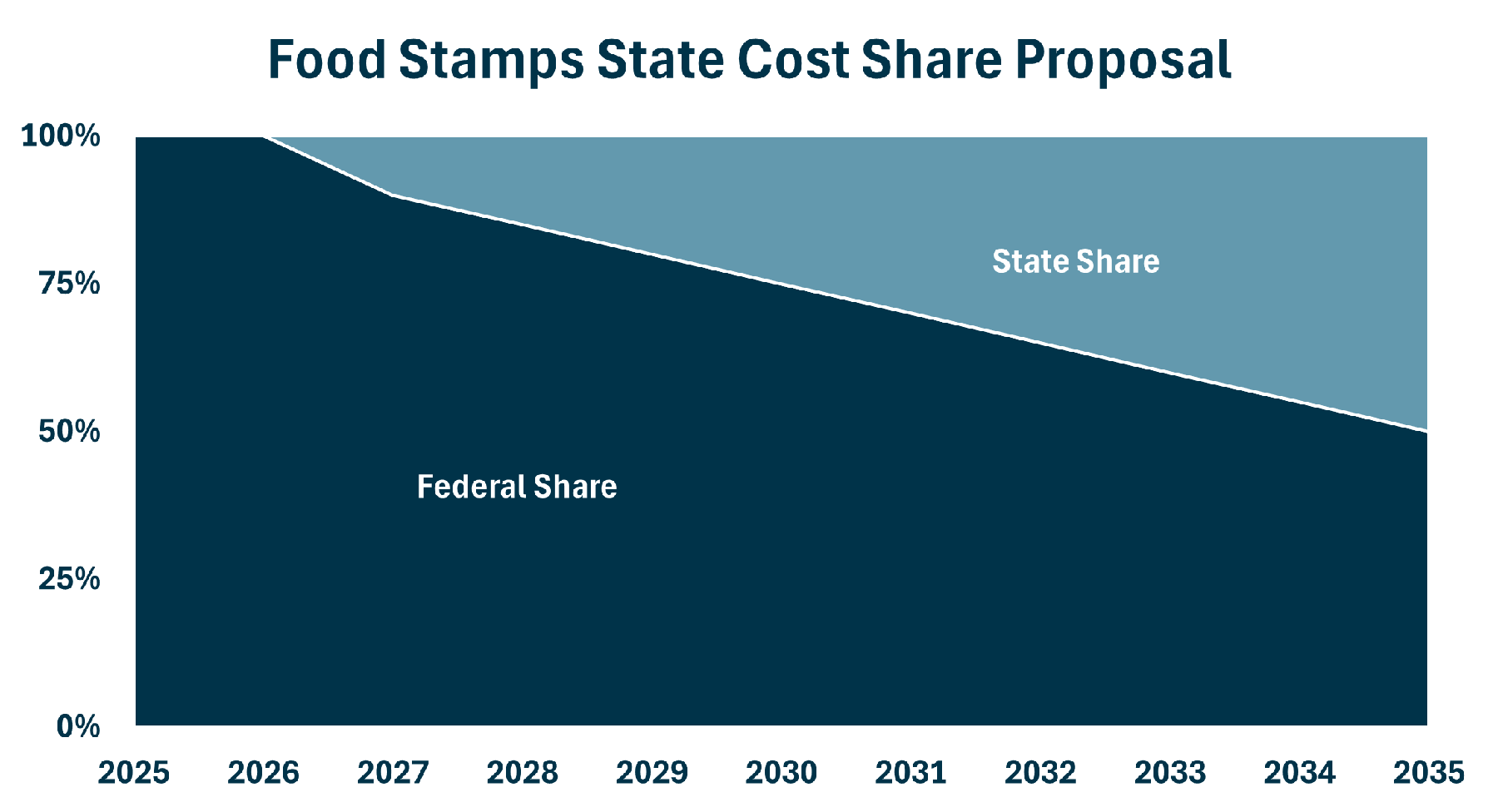
Food Stamp State Cost Sharing Can Improve Outcomes and Sustainability Without Changing Total Benefit Spending


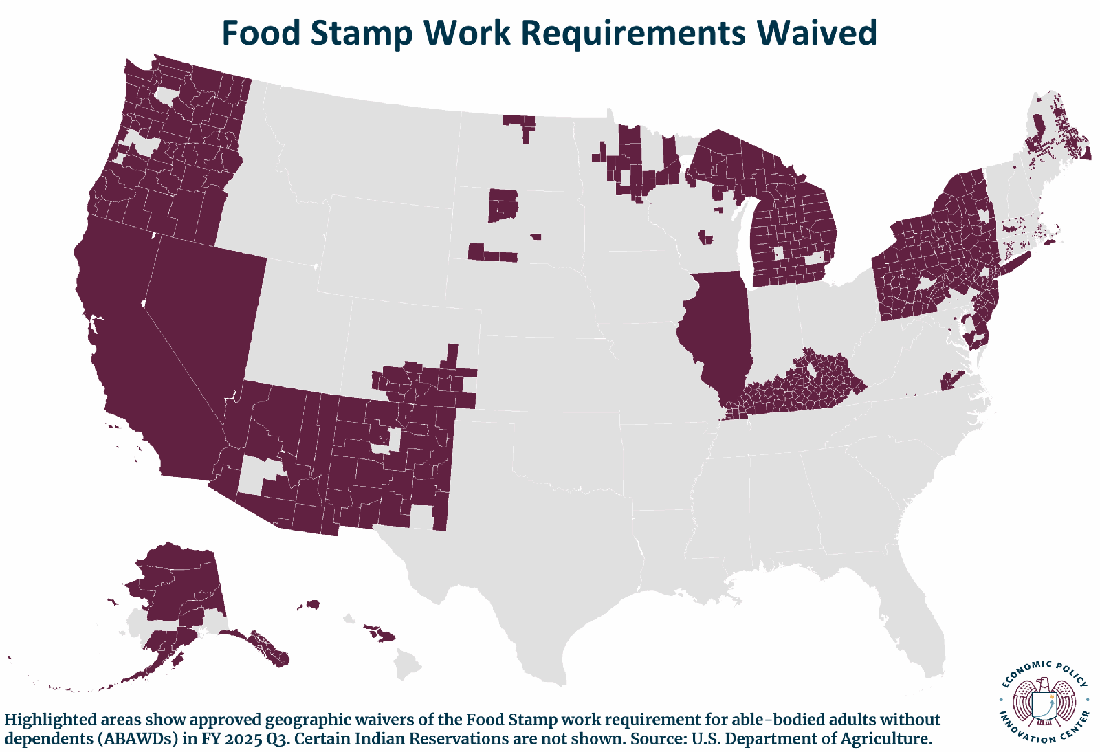
Work Requirements, Not Workarounds: Ending Food Stamp Waiver Abuse

13 Reforms to Preserve and Expand the 2017 Tax Cuts

Expedited Rescissions Allows Congress to Support DOGE’s Work to Eliminate Waste

Collaboration and Compromise are Essential for the Reconciliation Budget Resolution


Debt Limit Update: X-Date Will Be Reached This Summer

The Truth About Reversing Biden's 54% Food Stamp Spending Increase

Skyrocketing Medicaid Welfare Spending Driven by Waste, Fraud, and Abuse


Putting the Reconciliation Instructions Into Context

EPIC EXPLAINER: Comparing the FY 2025 Reconciliation Instructions

EPIC EXPLAINER: The FY 2025 House Budget Resolution’s Deficit Reduction Failsafe Amendment

Reconciliation in the First Year of a New Presidential Administration


Debt Limit Extraordinary Measures Begin: What You Need To Know

CBO Sounds The Alarm At The Beginning Of The 2025 Fiscal Cliff

The CR Turns Off $1.5 Trillion of Scheduled Spending Cuts By Waiving Statutory PAYGO

Border Security Committees Include Welfare Committees

Billions Of Government Benefits For Illegal Aliens

Debt Limit Suspension Adding $99,000 Every Second


EPIC EXPLAINER: Fix the Measurement of Tax Expenditures

CBO Testimony: Baseline Is “Not A Neutral Benchmark”

37 Budget Process Reforms to Confront the Challenges of Today and Tomorrow

A Call for Increased Transparency in Budget Reform

A Call for Improved Scorekeeping in Budget Reform

The Budget Process Must Confront the Challenges of Today and Tomorrow


No Bias in The Baseline Act Removes Distortions that Push Higher Spending and Taxes


Reconciliation Will Allow Congress to Achieve Top Priorities of the American People in 2025


EPIC Regulatory Comment on the USDA Rule Implementing Fiscal Responsibility Act Changes to the Food Stamp Program


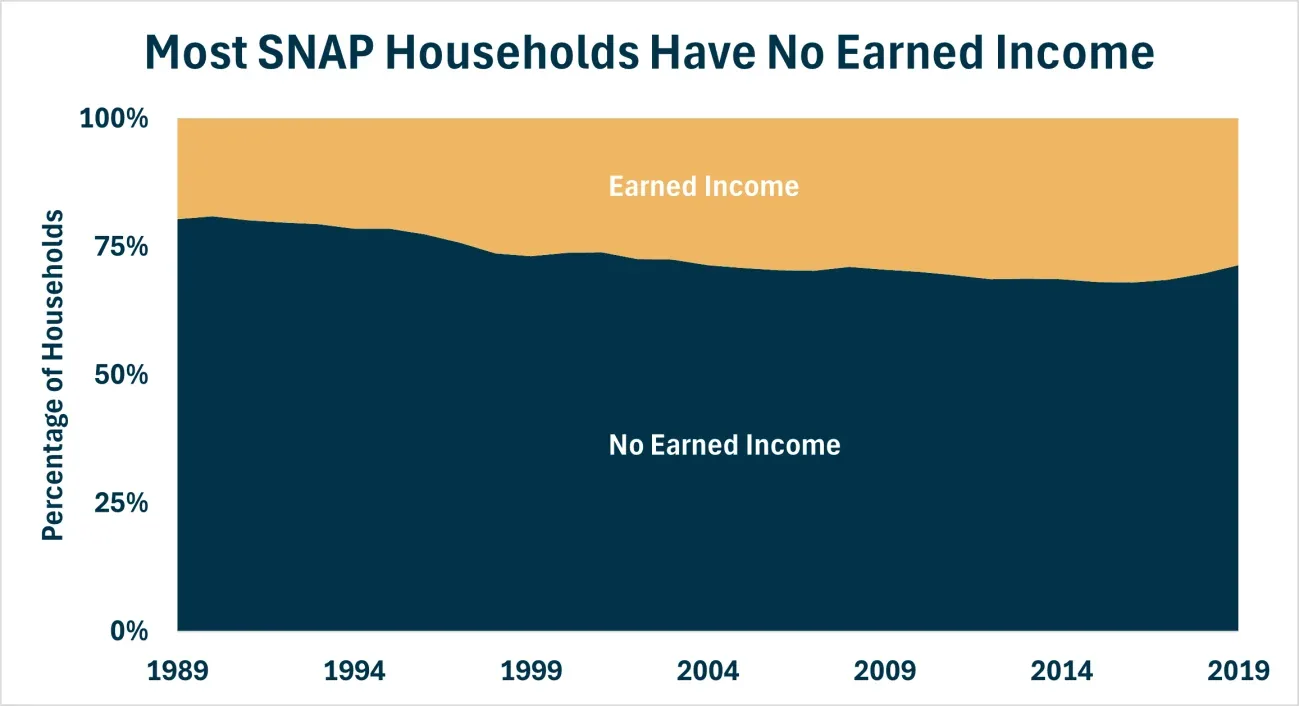
Most Work Capable Food Stamp Recipients Don't Work


The Food Stamp Program Has a Dependency Problem


How the Biden Administration Increased Food Stamp Spending by $300 Billion

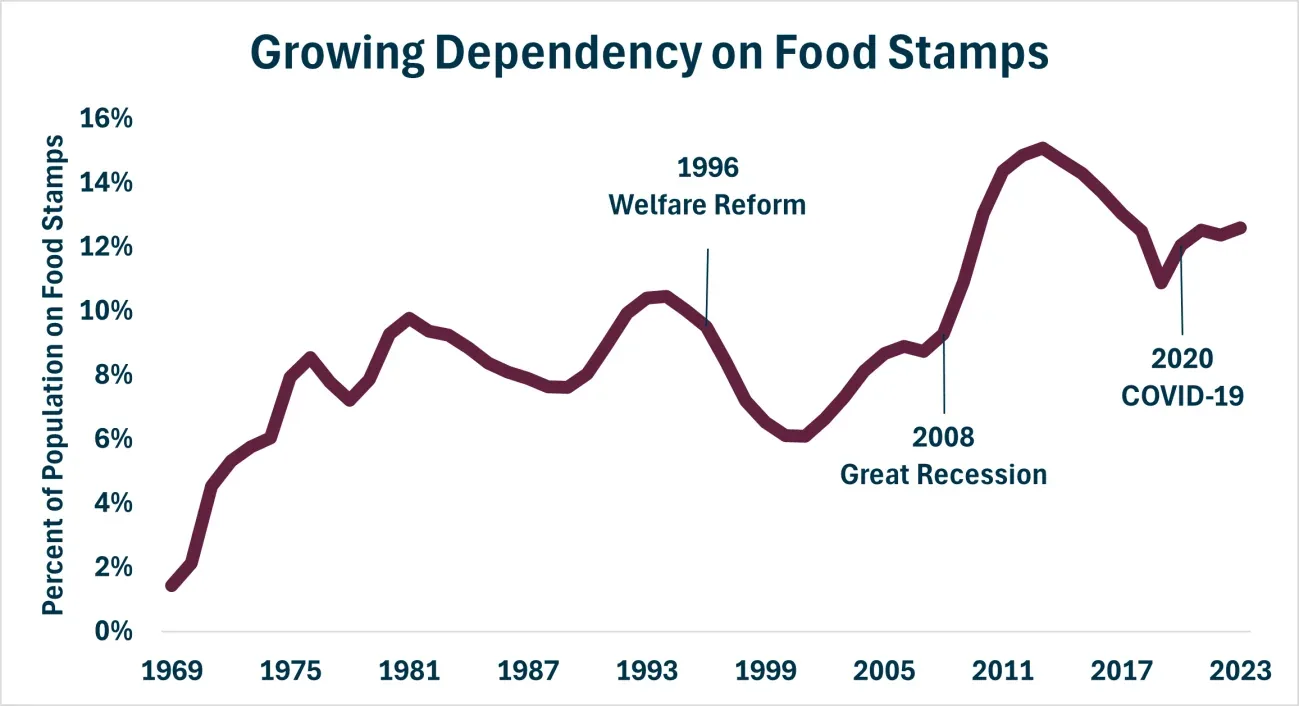
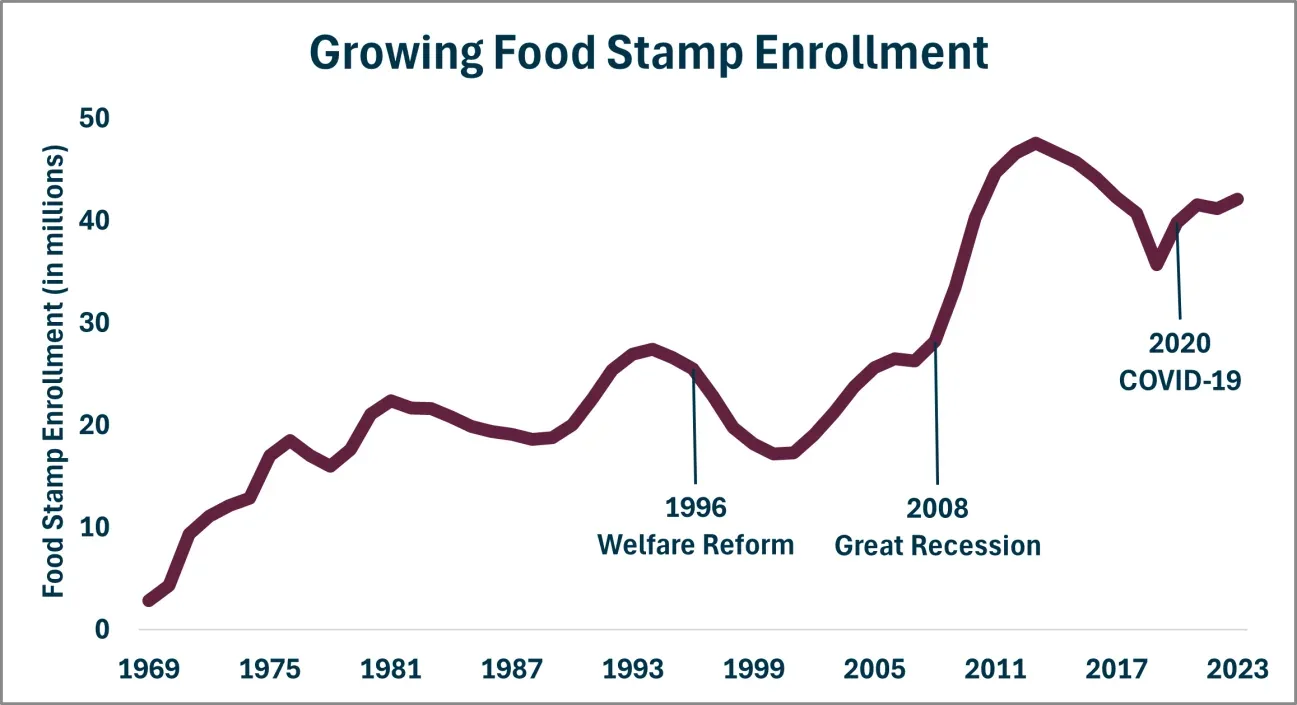
The Percentage of Americans on Food Stamps has Doubled Since 2001


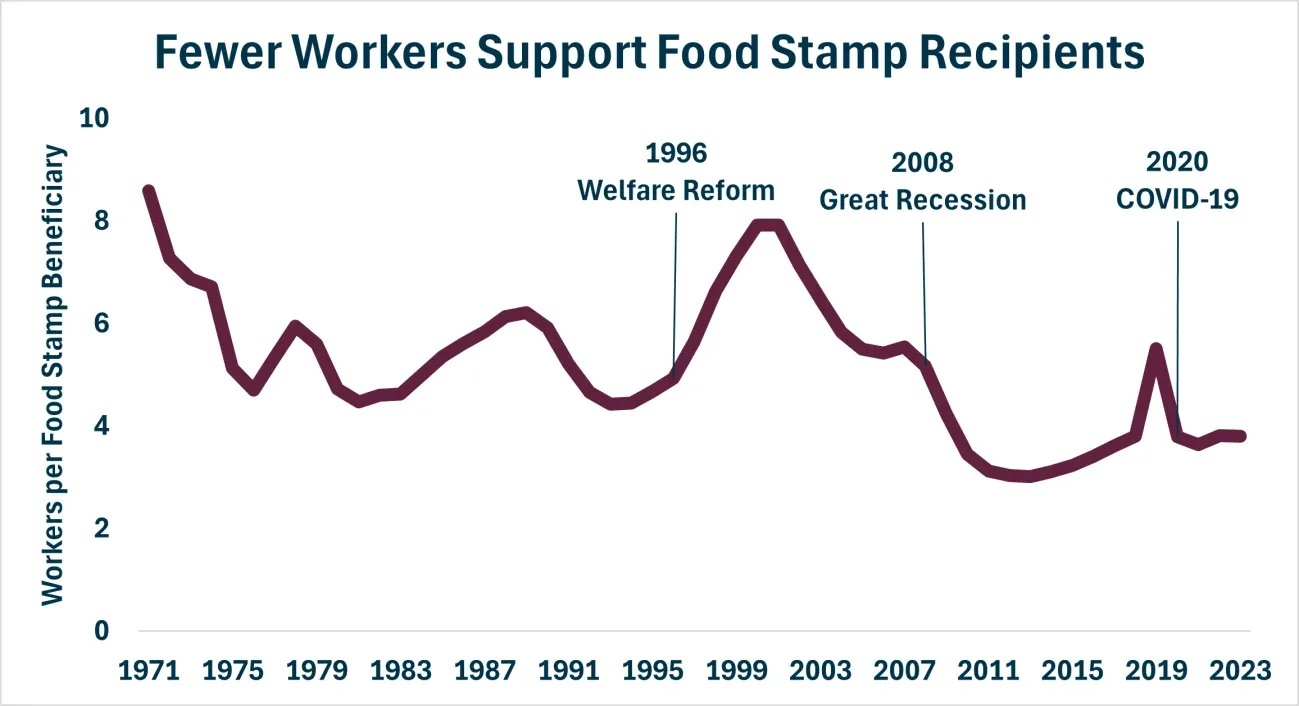
Here is How Many Workers Support Every Food Stamp Recipient

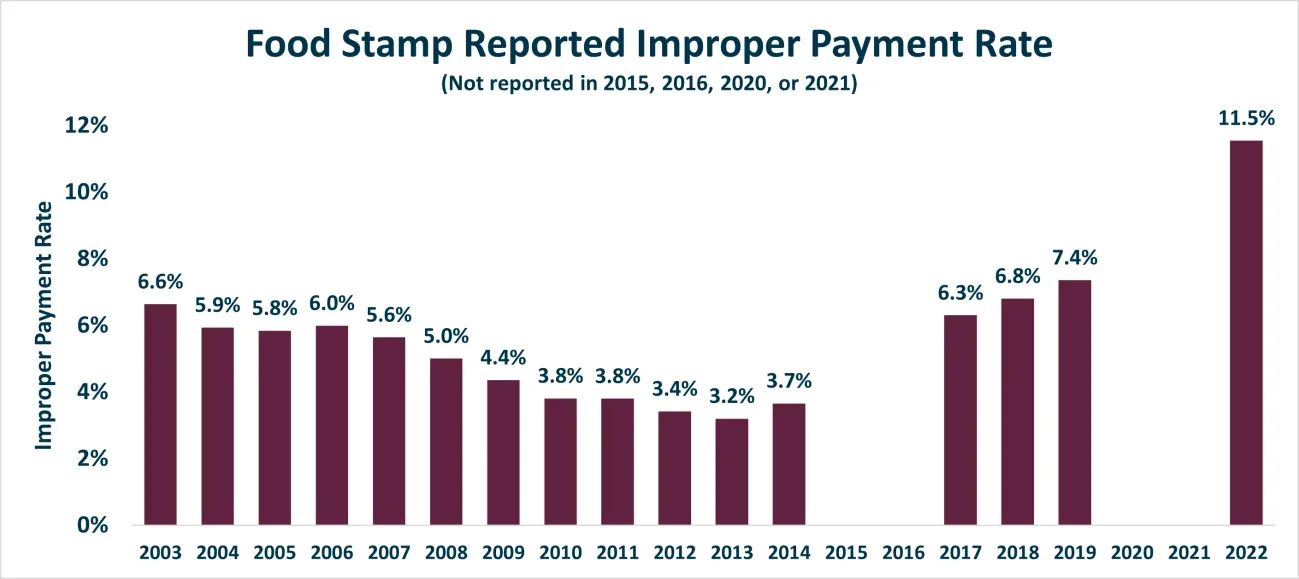
Billions Wasted on Food Stamp Improper Payments

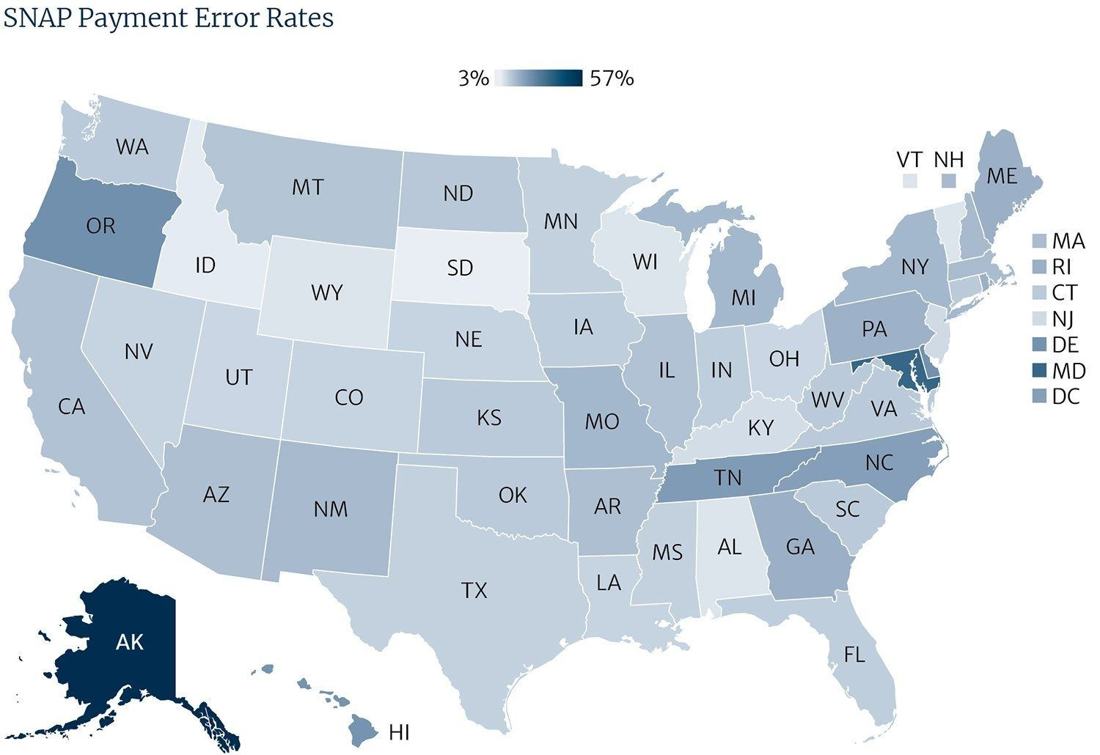
These States Have High Food Stamp Payment Errors

These States Ignore the Food Stamp Income and Asset Rules


These States Waived the Food Stamp Work Requirements


Comparing Proposals to Strengthen Food Stamp Work Requirements for Able-Bodied Adults

A Modest Proposal to Provide Transparency and Accountability for Earmarks


Biden’s FY 2025 Budget: Higher Spending, Higher Taxes, More Government Control

Appropriations Transparency Act Would Provide Vital Sunlight on Spending Bills

Setting the Record Straight on Bidenomics: State of the Union 2024

EPIC Analysis: Comparing Potential Discretionary Spending Options, FY 2023 - 2024

CBO Baseline: Unsustainable Spending, Rising Debt

Senate Supplemental Would Take Discretionary Spending Higher than Pelosi Levels


IRS Enhanced Enforcement Falling Short of Projections


FY 2023 Spending Was $1 Trillion Higher Than Projected Before Biden’s Policies

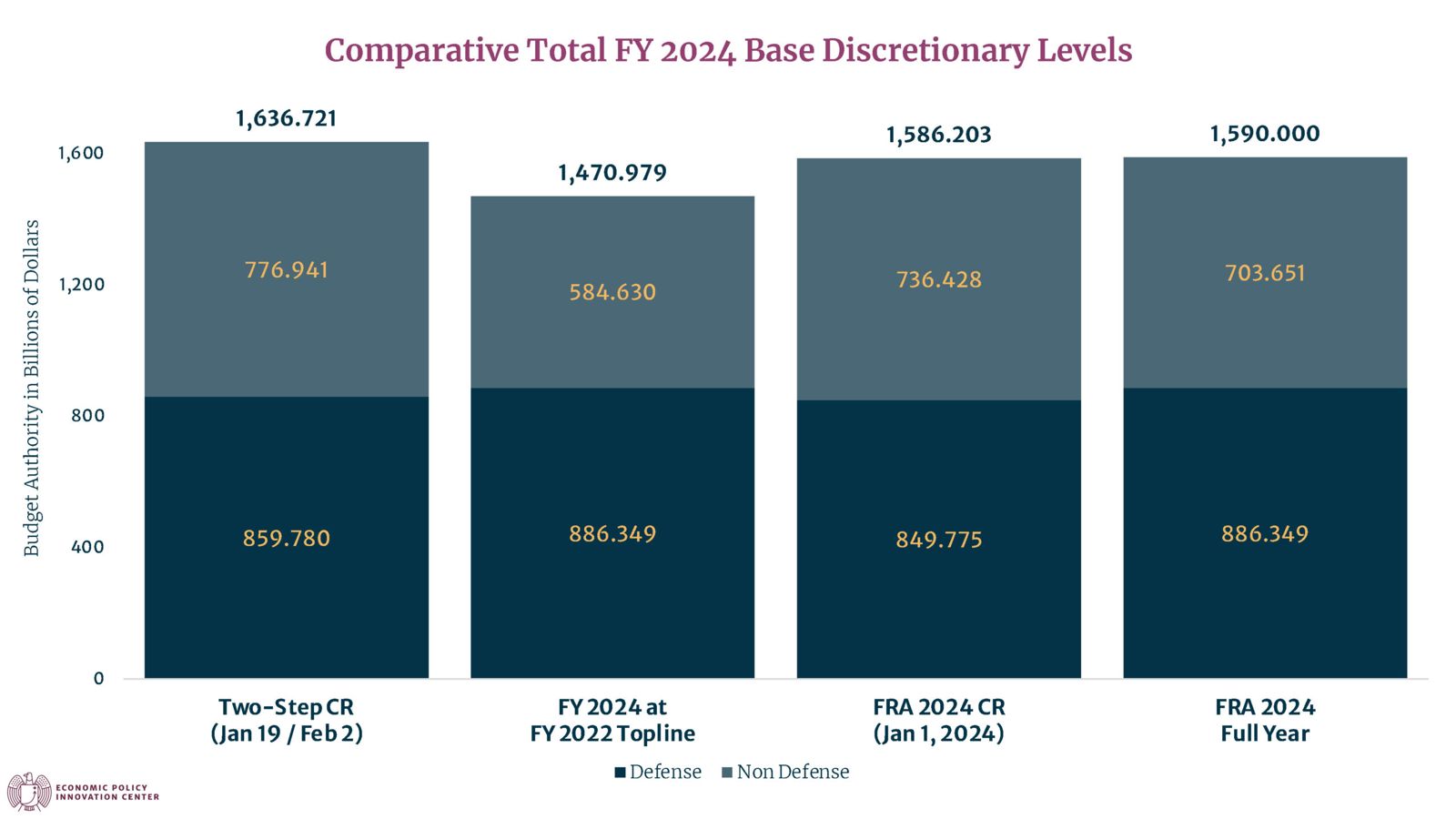
Comparative Total FY 2024 Base Discretionary Levels

What are the FRA Discretionary Spending Caps and Potential Scenarios?

2023 Improper Payments Exceed Funding for the U.S. Army


Upcoming Fiscal Challenges Show Need for Lawmakers to Think Longer Term and Bigger Picture

October Ends with a Spooky Amount of Government Debt

Breaking Down the FRA Discretionary Spending Caps and Potential Scenarios

The Worrisome Data in CBO’s Fiscal Year 2023 Report