Before Congress can enact appropriations to fund the federal government in fiscal year (FY) 2026, the House and Senate will need to reach agreement on issues such as
funding levels and
earmarks.
Unfortunately, the Senate Appropriations Committee has approved many flawed “
Congressionally Directed Spending” earmark projects.
In some cases,
left-wing activist groups would undertake seemingly uncontroversial tasks, ignoring that money is fungible. In other cases, projects are revealed to be boondoggles when placed in context.
The money at stake does not represent a dramatic share of federal spending. Rather, it is illustrative of deeper problems in Congress. Since earmarks go through a multi-step approval process, each approved project represents a deliberate choice by legislators.
With the gross national debt now well above
$37 trillion, Congress has a duty to demonstrate fiscal responsibility. Boondoggles reveal that political concerns – showering special interests and
local constituencies with “
free money” – still take priority over addressing the nation’s looming
fiscal cliff.
Members who make unreasonable earmark requests will apply pressure to include these projects in final FY 2026 appropriations legislation. However, Congress should prevent clearly wasteful and inappropriate spending from moving forward.
This report highlights some of the many boondoggle earmarks included in FY 2026 Senate appropriations bills.
1. An Elevator for New York City’s Elites
Sen. Charles Schumer (D-NY) wants the federal government to give New York City’s Metropolitan Opera Association (Met Opera) a $1 million earmark for a project to make elevators compliant with the Americans with Disabilities Act.
To begin with, the federal government should not pay for “elevator modernization” at a non-governmental organization, especially given the nation’s chronically high deficits. This is compounded by the specifics of the Met Opera’s budgetary situation.
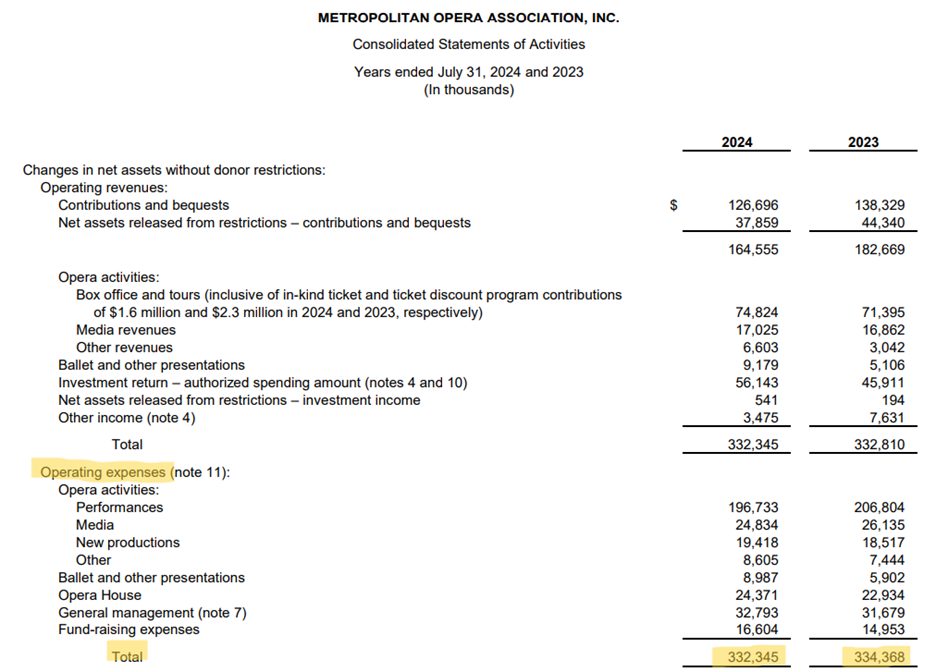
The Met Opera has an annual budget of more than $330 million, meaning it can make room in the budget to ensure its elevators are accessible to people with disabilities.
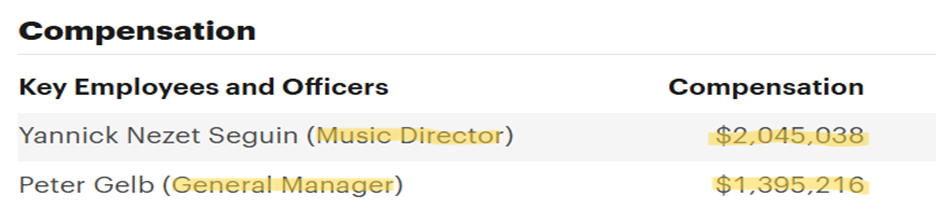
The Met has room in its budget for seven-figure compensation.
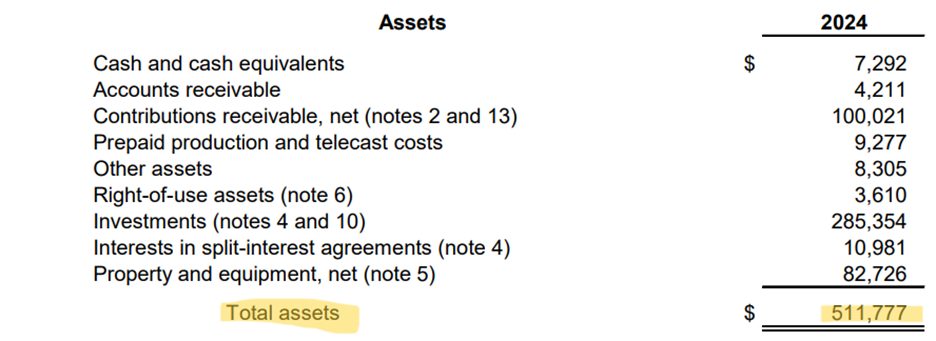
The Met Opera has assets of more than half a billion dollars, thanks to dozens of corporate, foundation, and individual patrons giving
millions of dollars apiece.
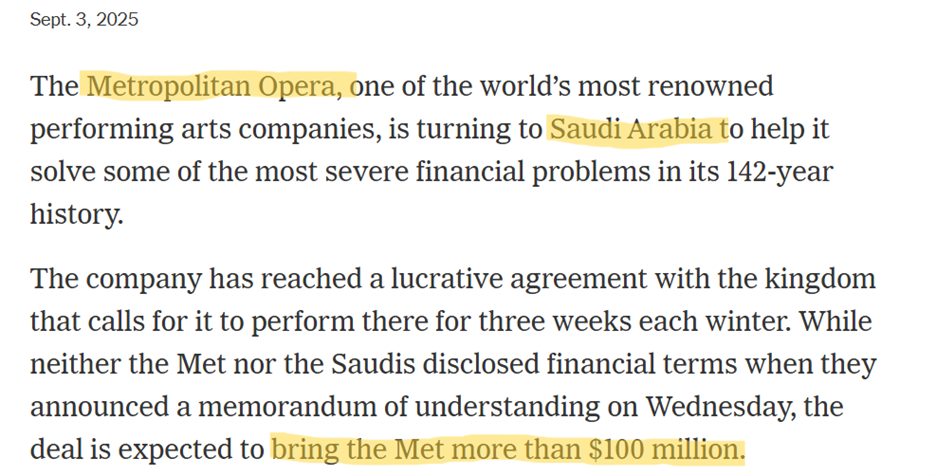
Despite its assets and the largesse of its donors, the Met Opera is spending beyond its means. Rather than focusing on budgetary restraint (i.e. making its operas
less lavish), it is signing a deal
with Saudi Arabia to fill the gaps. Subsidizing this organization would be wasteful to the highest degree.
 Earmark Details
Bill
Earmark Details
Bill: Senate
Transportation, Housing & Urban Development
Program: Community Development
Recipient: Metropolitan Opera Association
Project: $1 million for elevator modernization
Sponsor: Sen. Charles Schumer (D-NY)
2. Featherbedding “Jacob’s Pillow” with Tax Dollars
Senators Ed Markey (D-MA) and Elizabeth Warren (D-MA) included a $375,000 earmark for arts education to Jacob’s Pillow Dance Festival (Jacob’s Pillow) in Massachusetts.

This follows a similar $100,000 earmark to Jacob’s Pillow in FY 2023.

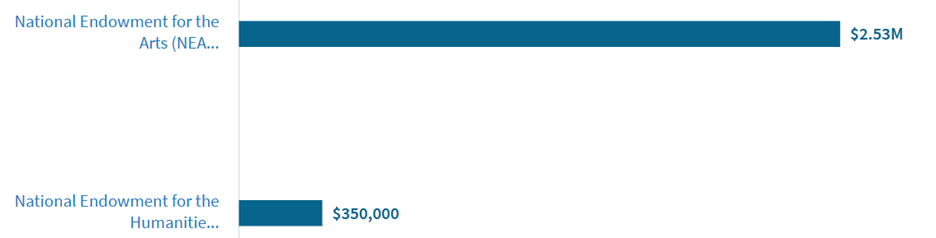
Jacob’s Pillow has also benefitted from other federal grants, having received roughly $2.9 million from the National Endowments for the Arts and the Humanities since FY 2008 based on
data from the Department of Treasury.
Jacob’s Pillow receives
financial support from a slate of deep-pocketed foundations, including Bloomberg Philanthropies, the Ford Foundation, the William Randolph Hearst Foundation, and the Mellon Foundation. The group had
$76 million in assets as of 2023.
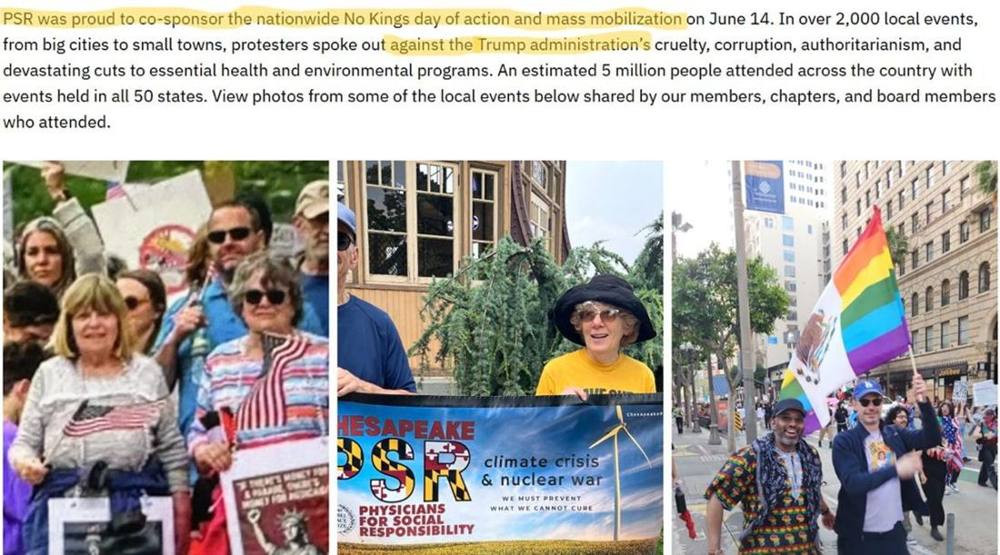
In addition to appealing to the artistic tastes of America’s elites, Jacob’s Pillow also embraces fashionable political aesthetics such as policing “microaggressions” and performing “land acknowledgements.”
With America about to perform a
Grand Jeté off the fiscal cliff, Congress should have the common sense not to fund the earmark requested for Jacob’s Pillow.
Earmark Details
Bill: Senate
Labor, Health and Human Services, and Education
Program: Innovation and Improvement
Recipient: Jacob’s Pillow Dance Festival
Project: $375,000 for arts education
Sponsors: Sen. Ed Markey (D-MA) & Sen. Elizabeth Warren (D-MA)
3. Big Handout to Tiny Village
Sen. Lisa Murkowski (R-AK) included a $2 million earmark for “affordable housing” in South Naknek, Alaska, which had a population of 67 people in the
2020 census. South Naknek is so remote that children from the village must take a plane flight to go to school, and its population roughly halved between the 2000 and 2020 censuses.
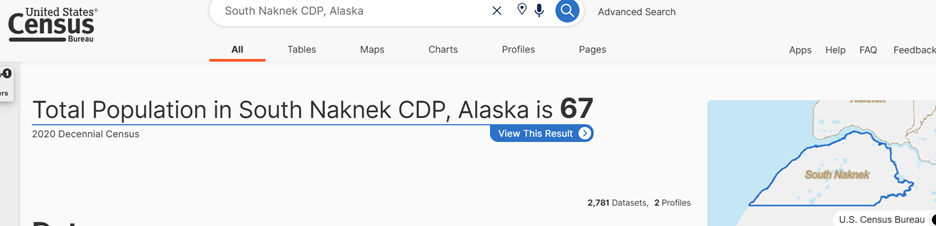
The cost of the earmark is just under $30,000 per South Naknek resident.
This is reminiscent of the infamous “
Bridge to Nowhere” earmark for the Gravina Island Bridge, which roiled the FY 2006 appropriations process. The bridge project attracted national attention for its high price tag and minimal utility, ultimately contributing to a
moratorium on earmarks.
While the South Naknek housing project is not as expensive as the bridge, it suffers from the same underlying flaws. Projects that direct exorbitant resources per capita to local projects without a meaningful federal interest represent a highly inappropriate use of funds, especially at a time of high deficits.
It is also important for Congress to consider the wisdom of dozens of FY 2026 earmarks for “affordable housing” projects. The cost of housing is a genuine policy concern, yet subsidized housing fails to address underlying causes of high prices such as excessive
regulatory barriers to development. Socialized housing earmarks use deficit spending to mask high housing costs for a small number of people at a time.
Earmark Details
Bill: Senate
Transportation, Housing & Urban Development
Program: Community Development
Recipient: South Naknek, Alaska
Project: $2 million for affordable housing
Sponsor: Sen. Lisa Murkowski (R-AK)
4. A Pathway to a Bankrupt Highway Fund
Senators Marie Hirono (D-HI) and Brian Schatz (D-HI) included a nearly $7 million earmark for a “shared use path” in Kahuku, Hawaii along the Kamehameha Highway.
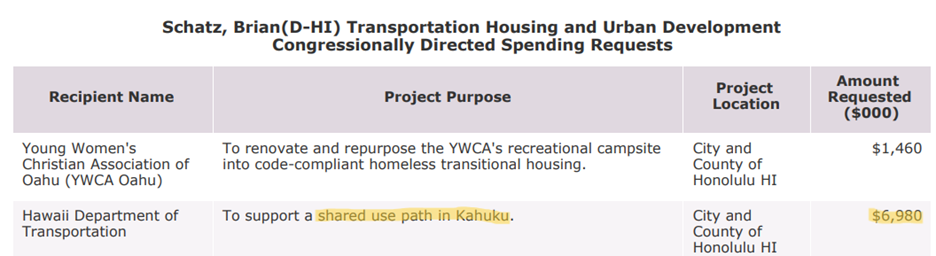
A “shared use” path typically refers to pedestrians and bicycles. While such projects can be worthwhile for localities, the earmarked path in question would cost more than $2,500 for each of
Kahuku’s residents. This highlights another pernicious aspect of earmarks: if the cost of a project is too high for local taxpayers to tolerate, a federal earmark shifts the cost to taxpayers in other places.
Perhaps the most significant detail for legislators to consider is that the Kuhaku shared use path is a
Highway Trust Fund (HTF) earmark.
The HTF was created to build a national road network, and the initial goal was completed in 1992. However, Congress distorted the fund by adding non-highway programs for mass transit, local street infrastructure (such as the Kuhaku project), and more.
Roughly 30 percent of HTF spending does not go towards highway and bridge infrastructure. This additional spending drained the HTF’s balance, leading to $271 billion in deficit-financed bailouts to date.
Congress should not only reject the Kuhaku shared use path but also reform the HTF to focus its spending on infrastructure of national significance.
Earmark Details
Bill: Senate
Transportation, Housing & Urban Development
Program: Highway Infrastructure Programs
Recipient: State of Hawaii
Project: $6.98 million for shared use path
Sponsor: Sen. Marie Hirono (D-HI) & Brian Schatz (D-HI)