On October 21, 2025, the
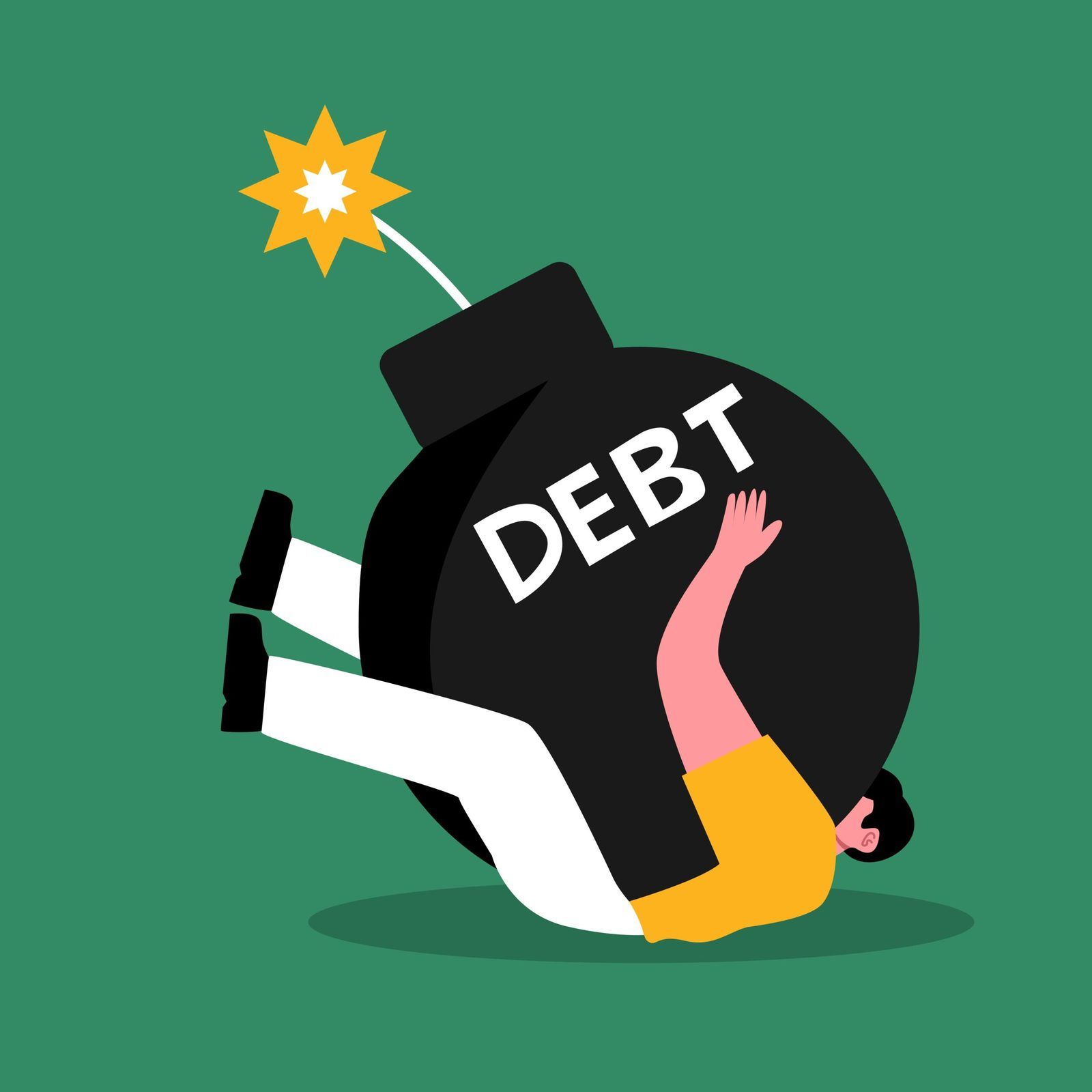
gross national debt topped $38 trillion. Not only is the scale of the debt worrying (and
hard to comprehend), but the growth is now shockingly fast.
The debt reached $28 trillion on March 1
st, 2021. By August 11
th, 2025, it was
$37 trillion.
That means the most recent $1 trillion in debt took 10 weeks to accumulate and the most recent $10 trillion took less than five years. For perspective, the federal government needed
219 years to reach its first $10 trillion of debt.
Rapidly rising debt is a threat to the nation’s economic health and governance. Interest payments on the debt cost nearly $1 trillion in
fiscal year (FY) 2025, a
larger expense than the military. America is also moving steadily closer to its real borrowing limit, which has profound implications on statecraft.
Given the government’s shaky fiscal outlook, leaders in Washington D.C. should be working tirelessly on measures to rein in the unsustainable growth of federal spending. Instead, some legislators are considering policies that would make the problem worse. This must be stopped.
COVID Credits
The most noteworthy and hotly debated of these items is the forthcoming expiration of the
Biden COVID Credits, which is primarily a handout to
health insurance behemoths.
Democrats are demanding an extension of the credits in exchange for lifting the government “
shutdown” even though the credits are unrelated to federal funding.
Despite the longstanding failure of healthcare subsidies to
reduce costs, and despite the subsidy costing more than many
federal agencies, there is a chance that Congress will partially or fully extend the credits. Ideally, Congress will resist the lobbying campaign and allow the credits to expire.
FY 2026 Appropriations
Assuming that legislators eventually agree to a continuing resolution to fund the government, the next step will be to work on full-year funding for FY 2026. Both the House and Senate have produced draft appropriations legislation, but there are meaningful differences between them.
First, the funding levels on bills drafted by the Senate Appropriations Committee are more than
$50 billion higher than the House. While the Senate has not yet released four bills, all eight of the bills marked up have higher spending than the House counterparts.
Second, the Senate’s rules on
earmarks are less robust than in the
House. As a result, the Senate Appropriations Committee has approved dozens of highly questionable earmarks, including for
abortionists and gender transitioners, left-wing
activists, a variety of wasteful
boondoggles, and support for failing governance in
California.
Congress has a bad habit of going along with
pork-barrel spending and tolerating a bloated,
non-essential bureaucracy. There is no excuse for funding dubious earmarks and rubber-stamping budgetary increases for unnecessary agencies and programs given the country’s dire fiscal situation. Final FY 2026 appropriations should, at a minimum, look more like the House drafted bills than the Senate’s.
Farm, Healthcare, and Highway Reauthorizations
The
One Big Beautiful Bill Act (OBBB) included changes to agricultural and nutritional programs, which are typically combined in the “Farm Bill” package. These OBBB provisions do not constitute a full Farm Bill reauthorization and many programs are
set to expire at the end of the calendar year.
From a budgetary perspective, the most salient farm bill change under discussion is the potential for
larger handouts to producers based on current market conditions. These payments would be in addition to existing subsidies for crop insurance and conservation, revenue guarantees, and a host of other support programs.
A plethora of healthcare provisions are also set to expire in the coming months. Typically referred to as health extenders, these policies are often reauthorized as part of “Christmas tree” appropriations packages. Since appropriations receive the bulk of public and media attention, health extenders often hitch a ride with minimal scrutiny. Congress should pay close attention since billions of dollars are at stake.
The 2021 Infrastructure Investment and Jobs Act (IIJA), which covered the “Highway Bill” suite of programs, is set to expire on September 30, 2026. Promoted as a “
generational” spending increase, the IIJA leaned heavily on
budget gimmicks and used hundreds of billions in debt to refill the
Highway Trust Fund.
The relevant
House and
Senate committees are working on reauthorization legislation. Industries that benefit from government infrastructure spending want IIJA to represent a permanent floor rather than a temporary ceiling. This push is aided by how the Congressional Budget Office calculates the “baseline,” which is
biased in a way that makes it easy to extend deficit spending year after year.
While the interstate highway system is economically valuable and politically popular, waves of new federal spending are little more than
welfare for states. Additionally, the highway bill is littered with low-value spending
detours for mass transit, hiking trails, bike lanes, and more. Congress should reform this policy area rather than throwing more money into boondoggles.
Responsible Leadership Needed
America’s founders vested Congress with the power to oversee federal finances. Legislators can make transformational changes to prevent national bankruptcy if they possess the wisdom and willpower to take timely action.
The budget reconciliation process is still available to expedite passage of a wide range of policies with budgetary effects. Ideally, a follow-up to the OBBB would include provisions to substantially lower deficit spending, which also would bolster the pro-growth tax code established by the OBBB.
Legislators should instead use the prospect of budgetary sequestration required by
statutory PAYGO to leverage additional savings rather than bowing to pressure and
ignoring one of the few budgetary guardrails.
It is vital for Congress to do the right thing. The sooner the federal government reaches $40 trillion in debt, the worse off the American people will be.